
Last updated October 17, 2026
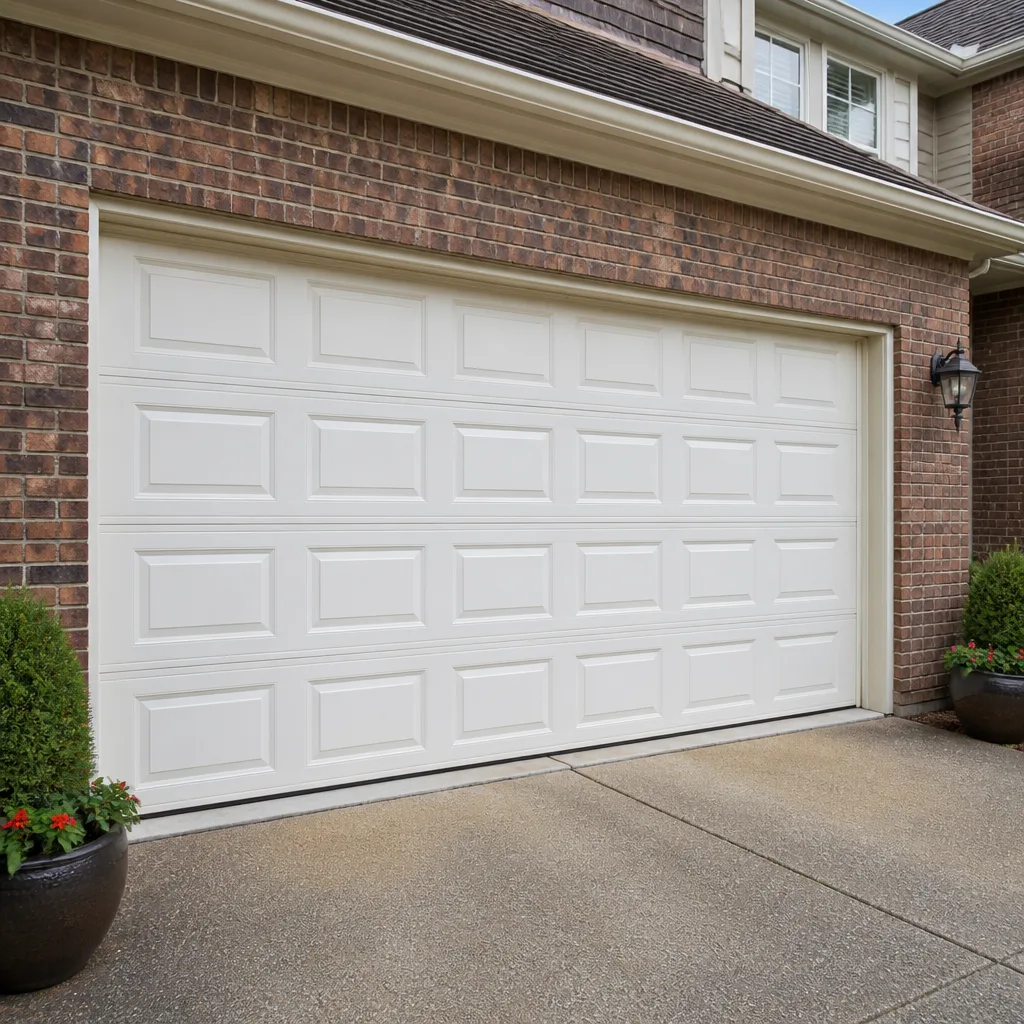 Raised-panel steel
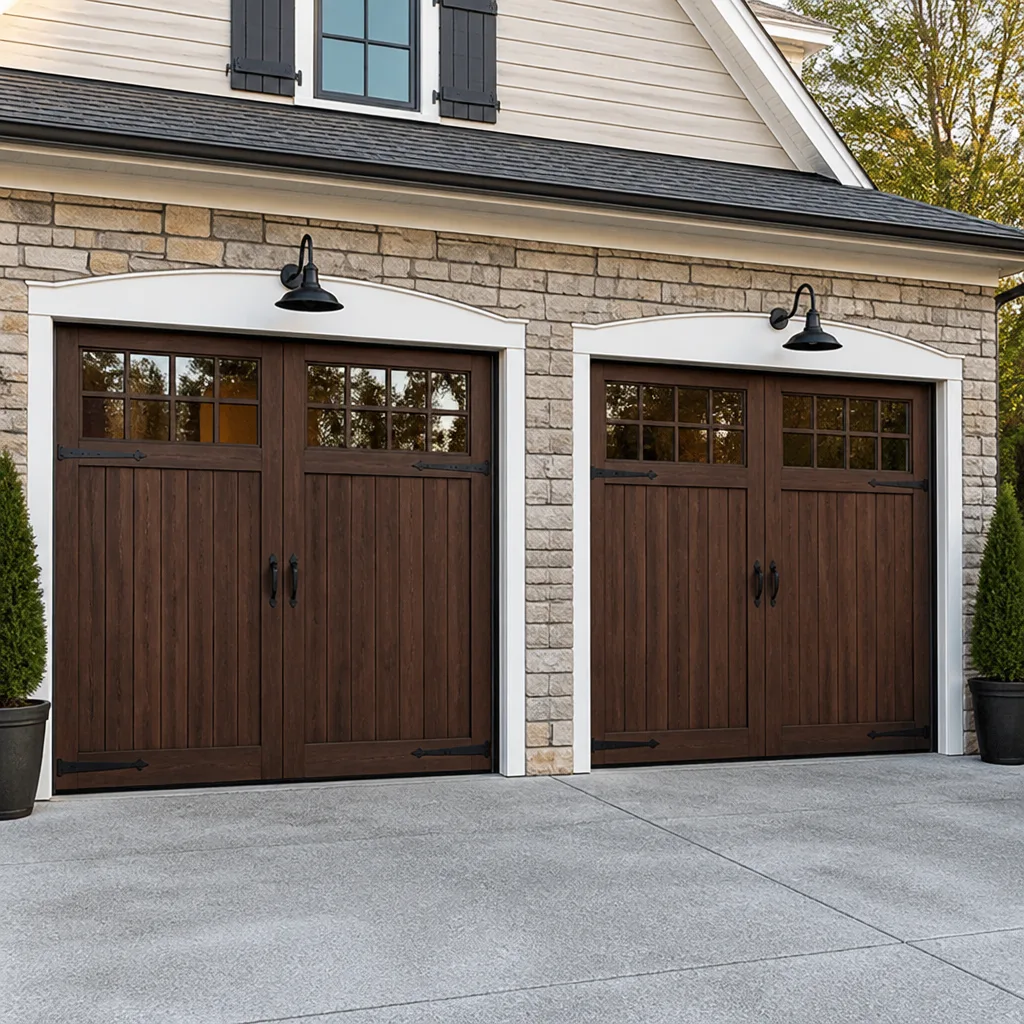 Carriage house
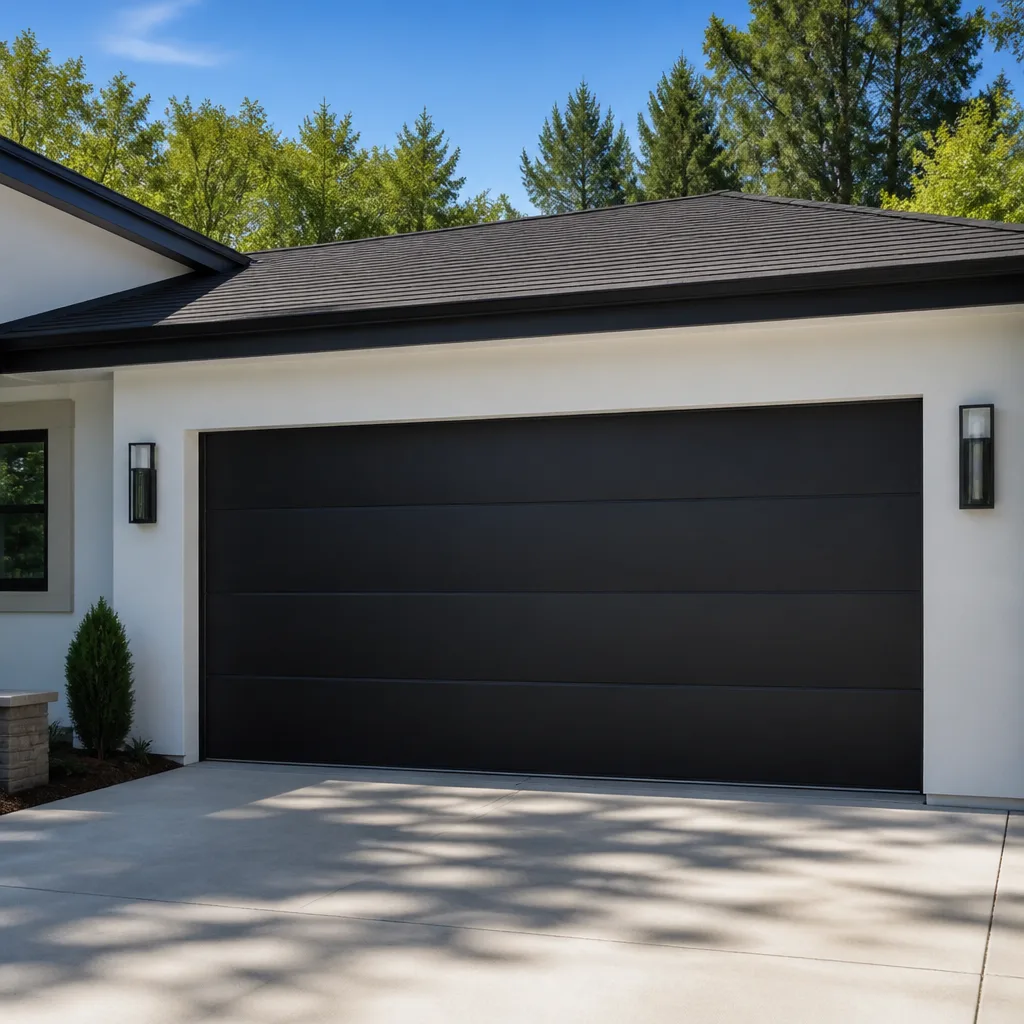 Modern flush
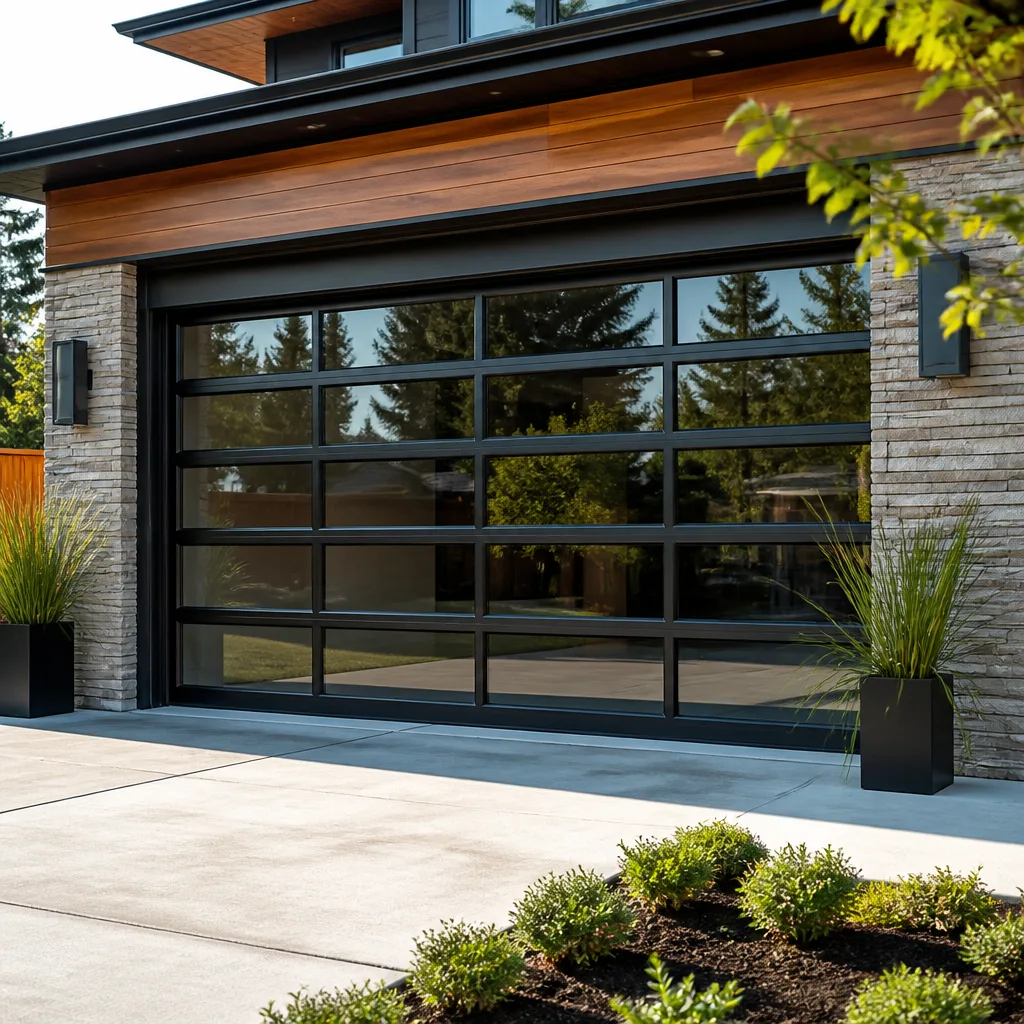 Full-view glass
 LiftMaster openers
 Chamberlain openers
Full 25-point door and opener safety check with every visit - springs, cables, rollers, tracks, and your LiftMaster or Chamberlain opener included
You get a price before we start. It does not change when the truck arrives.
Get your free estimateGarage Door Permits, Codes & Inspections in GA: What You Need to Know
Here’s the part nobody mentions at the showroom: a garage door replacement that required a permit but didn’t get one can surface as an unpermitted improvement during a home inspection. Usually at the worst possible moment. You’ve accepted an offer. The buyer’s inspector is walking the property with a clipboard. And suddenly a question about a door you replaced four years ago becomes a negotiation point, a price reduction, or a repair demand. This guide walks Alpharetta homeowners through the rules clearly so you never end up in that room guessing. We’ll cover when Georgia requires a permit, when it doesn’t, how Alpharetta and Fulton County layer on top of state code, and what wind load requirements mean for the door you’re about to buy.
Quick Answer
Most garage door replacements in Georgia do not require a building permit when you’re swapping an existing door in the same opening without structural changes. A permit is typically required when you’re cutting a new opening, enlarging an existing one, adding electrical wiring for a new opener circuit, or making structural modifications to the wall or header. In Alpharetta, the city’s building department enforces these triggers, and the final word comes from a phone call to their office with your specific address, not from a rule of thumb.
Styles & brands we work with
Table of Contents
- When a Permit Is Required in Georgia
- When a Permit Is Not Required
- How Alpharetta and Fulton County Layer on Top of State Code
- HOA Approval: A Separate Track from Permitting
- Wind Load and Hurricane-Brace Requirements in North Georgia
- The Right Way to Ask Your Contractor About Permits
- What a Garage Door Inspection Actually Checks
- What Permits and Code Compliance Cost in Alpharetta
When a Permit Is Required in Georgia
Georgia’s statewide building code applies uniformly, but permitting happens at the city and county level. That distinction matters because the triggers for a permit are defined by what changes structurally or electrically, not by whether the word “garage door” appears on a form. A garage door replacement that keeps the existing opening, existing header, and existing electrical setup is generally classified as a finish trade, similar to replacing windows or a front door. A garage door project that touches the structure is something else entirely.
Here is when a permit is required in Georgia for a garage door project:
- Cutting a new opening in a wall where one did not exist before. This changes the load path of the wall and requires an engineer’s review of the new header.
- Enlarging or widening an existing opening. Even adding six inches of width changes how the load transfers to the foundation, and that is a structural alteration, not a door swap.
- Installing a new electrical circuit for a garage door opener where no outlet or wiring exists. Running new wire from the panel is electrical work that requires a permit and inspection.
- Modifying the header, load-bearing wall, or foundation in any way. If the work touches anything holding weight, it is structural by definition.
- Converting a carport into an enclosed garage. This is a full structural and enclosure permit, and the garage door is only one part of a much larger approval.
The clearest way to think about it: if the work changes where weight lands, you need a permit. If it changes which wires carry current, you need a permit. If it swaps one finished product for another in the same hole, you generally don’t. We’ve walked through this question with homeowners across Alpharetta, and the structural trigger is the one most people understandably miss. Replacing a single-car door with a double-car door is not a straightforward swap. It is an opening enlargement, and it requires a permit, full stop.
When a Permit Is Not Required
Here is the category that covers about 90% of what we do at Garage Door Repair in Alpharetta. When you replace an existing sectional door with a new sectional door of the same width, in the same opening, using the same header, with no new electrical work, no Georgia permit is required. Same with replacing a broken spring, swapping out rollers, replacing cables, or installing a new opener that plugs into an existing outlet. These are maintenance and finish-trade items, and the code treats them the way it treats replacing a water heater with a same-location unit of the same type.
What does not trigger a permit:
- Replacing a garage door with a new door of the same size in an existing opening. The opening is unchanged; the header is unchanged; the load path is unchanged.
- Garage door spring replacement, whether torsion or extension. This is a service and repair item, not a structural change. We talk about pricing and timing in detail on our Garage Door Spring Repair in Alpharetta page.
- Installing a new opener using an existing dedicated outlet or existing wiring. If you are plugging into what is already there, no permit.
- Replacing tracks, rollers, cables, hinges, or weather stripping. All are wear items, all are maintenance.
- Installing a new door in an existing opening where the original door was permitted at construction. The permit traveled with the structure, not the door.
The nuance that matters: if the original opening was never permitted, a straight replacement does not retroactively fix that. We have seen this in older Alpharetta neighborhoods where a previous owner enclosed a carport without pulling permits. The new door might be fine. The unpermitted enclosure is still an unpermitted enclosure. If you are buying a home and the disclosure paperwork is muddy on this, ask the seller’s agent directly. Or call the city. They will tell you what is on file for the address.
How Alpharetta and Fulton County Layer on Top of State Code
Alpharetta sits mostly in Fulton County, with a slice extending into Forsyth County. The city operates its own building department with its own inspection calendar, fee schedule, and permitting portal, and that is the office that matters for an Alpharetta address. Fulton County handles unincorporated areas, but within city limits, you are dealing with the City of Alpharetta Community Development Department. The phone number and permitting portal are on the city’s website, and the staff there will confirm permit requirements for a specific address, which is the only way to get a definitive answer rather than a good guess.
What to expect when you call or visit Alpharetta’s building department:
- They will ask for your address and project scope. Have both ready. “My contractor is replacing the garage door, same size, same opening” is a complete answer. “We’re widening the opening for a bigger door” is a flag they need to know about.
- They will check what is on file for the existing structure. If the garage was part of the original permitted construction, a same-size replacement is usually confirmed as no-permit-required in under five minutes.
- They will tell you the fee schedule if a permit is required. Alpharetta’s fees are typically based on project valuation, and a structural garage opening alteration falls into a different category than a straight replacement.
- They will schedule the inspection if one is required. For garage door work done under a permit, the inspection usually happens after the door is hung and before final trim or drywall covers the frame.
One practical note: never assume your contractor has verified the permit question. A good contractor will. But the permit, if one is required, is tied to your property and your project. The responsibility ultimately lands on the homeowner. If the work was done without a required permit and the city discovers it, the resolution can involve opening the wall to inspect the header, which is expensive and disruptive. A ten-minute phone call before the work starts is cheap insurance.
HOA Approval: A Separate Track from Permitting
In Alpharetta, many homes sit within a community with a homeowners association, and the HOA operates on a completely separate track from the city building department. You can have a project that requires no city permit and still requires written HOA approval. This is the one that catches people. A homeowner hears “no permit needed” and translates that to “no approval needed.” That translation is wrong for a substantial portion of Alpharetta neighborhoods.
What HOAs in Alpharetta commonly regulate on garage doors:
- Material. Some communities require wood or specific composite finishes. Others prohibit certain materials entirely. If the neighborhood has a particular look, the garage door is usually part of that spec.
- Color and finish. Even when material is unrestricted, color may be governed by a palette. A door in an unapproved color can trigger a violation letter.
- Panel pattern and window configuration. Design review committees care about this more than you would think. A carriage-house pattern in a community of flush-panel doors is noticeable from the street.
- Insulation appearance on the exterior. Not usually regulated on its own, but if the door changes the exterior profile, the design committee may want to weigh in.
The process is typically straightforward: submit a modification request with the manufacturer spec sheet, a photo or rendering of the proposed door, and the color swatch. The review window varies by community but is commonly 30 to 60 days. Start this before ordering the door. A custom door with a six-week lead time that arrives the same day the HOA says no is an expensive problem. If you are unsure whether your community has an HOA or what the process is, check your closing documents or ask your property management company. Our team at Fernbrook Garage Doors Alpharetta home helps homeowners through this documentation all the time, and the manufacturer spec sheet is almost always the missing piece.
Wind Load and Hurricane-Brace Requirements in North Georgia
North Georgia is not Florida, and nobody in Alpharetta is boarding up for a Category 4. But the Georgia State Minimum Standard Codes incorporate wind load provisions that apply statewide, and the numbers increase as you move into the northern part of the state. Alpharetta sits in a wind zone that requires garage doors to meet a specific design pressure rating, usually expressed in pounds per square foot, or psf. For most of the metro Atlanta area, the requirement lands between 90 and 115 mph wind speed ratings, which translates to doors that are reinforced differently than the budget models sold for interior or low-wind regions.
What this means when you are buying a new door:
- Not every door meets the Georgia wind load code. The big-box special at the lowest price point may be fine for a storage shed but under-built for an attached garage in Alpharetta. The door must carry a wind load rating label that meets or exceeds what the building department requires for your address.
- Hurricane braces and reinforcement struts add cost. A typical steel door can include vertical or horizontal struts that stiffen the sections. These are not decorative. They are the difference between a door that holds in a severe storm and one that flexes off its tracks.
- Wind load affects product selection more than style. A door that meets the wind code is available in most styles, but the cheap version of any style usually does not meet it. You are not trading aesthetics for code compliance; you are trading price.
- Installation matters as much as the door itself. The wind load rating on the door only performs if the tracks, fasteners, and attachment points are installed to the manufacturer’s specification and the code’s requirement. A properly rated door on under-specified fasteners is not a code-compliant assembly.
This is where a knowledgeable installer earns their place. The door manufacturers we work with, including Clopay and Amarr, stamp wind load ratings on their doors, and the spec sheets show the required bracing pattern. If a contractor cannot tell you the wind load rating for the door they are quoting, that is a signal to keep looking. The question is not exotic. It is a standard part of the Georgia code, and any installer who works in this market should answer it without hesitation.
The Right Way to Ask Your Contractor About Permits
Most homeowners never think to raise this question because they assume the contractor handles it. A contractor who handles permits as a matter of course will appreciate the question. A contractor who gets defensive about it is telling you something. Here is how to have the conversation the right way.
- Ask early. Bring it up when you are getting the estimate, not the morning of installation. “Is a permit required for this job, and will you pull it if it is?” is a fair question and a common one.
- Ask for the determination in writing. If the contractor says no permit is required, ask them to confirm that in the quote. A legitimate contractor will write “no permit required; same-size replacement in existing opening” on the paperwork without hesitation.
- Ask who is responsible if a permit is required. Some contractors include permit fees and management in their price. Others have the homeowner pull the permit. Either is fine as long as everyone agrees before the work starts and the agreement reflects it.
- Ask what happens if the inspector flags something. This is the tell. A contractor who has done permitted work in Alpharetta has been through inspections. They know what a correction looks like and how it gets resolved. A contractor who has never dealt with a building inspector is not the contractor you want doing permitted structural work.
Why a contractor who discourages you from pulling a permit is worth reconsidering: when a contractor talks a homeowner out of a permit, one of two things is true. Either the contractor does not understand the code well enough to know when a permit is required, which is its own problem. Or the contractor knows a permit is required and prefers to avoid the cost, the wait, and the inspection, which means the contractor is fine asking you to carry the risk of an unpermitted improvement on your property. We do not find either acceptable. At Garage Door Installation in Alpharetta, every quote from Fernbrook states the permit determination in writing, because the permit status of the work is part of the price and part of the job.
What a Garage Door Inspection Actually Checks
When a garage door project requires a permit in Alpharetta, the city will send an inspector after the work is complete. The inspection is typically quick, often under thirty minutes, and the inspector is looking for specific, code-defined things. Knowing what those things are makes the process feel less mysterious and more like a Garage Door Repair Maintenance Checklist for Alpharetta Homeowners.
Here is what a typical garage door inspection in Alpharetta covers:
- The header and structural framing. If the opening was enlarged or newly cut, the inspector verifies that the header spans correctly, is properly sized, and is fastened per plan. This is the core of the structural review.
- The door’s wind load rating label. The inspector checks that the installed door carries the rating required for the wind zone. If the label is missing or the rating is too low, that is a correction.
- The spring containment system. Torsion springs must be on a containment cable or a solid shaft. This is a safety requirement, not a structural one, and it applies to every spring replacement, permitted or not.
- The electrical connections. If the project included a new circuit for an opener, the wiring, outlet placement, and GFCI protection are reviewed under the electrical code, usually as part of the same visit or a separate electrical inspection.
- The safety reversal system on the opener. Two types of safety reversal are required: a mechanical system that reverses when the door contacts an obstruction, and a photoelectric sensor system that reverses when an invisible beam is broken. The inspector may test both.
- The door balance. A properly balanced door should stay in place when released at various points along its travel. If the door creeps up or slams down, the springs are wrong, and the inspector will flag it.
Most inspections on garage door work pass without correction when the installer did the work to code. The most common fix we see is a missing or illegible wind load label, which is addressed with a manufacturer certification letter rather than rework. The second most common is a spring without containment cables, which is a legitimate safety issue. Torsion springs are under high tension and can cause serious injury if they release unexpectedly. This is a danger we take seriously, and it is one of the reasons we recommend a trained professional for any spring work rather than a DIY attempt. A spring that lets go while an untrained person is working next to it is a hospital trip, not a learning moment.
What Permits and Code Compliance Cost in Alpharetta
Permit fees in Alpharetta vary by project valuation and type, so a precise number for your specific project comes from the building department, not from a blog post. But the ranges are useful for budgeting, and they are modest compared to the cost of the door itself.
| Cost Item | Typical Range in Alpharetta | Notes |
|---|---|---|
| Same-size door replacement, no permit required | $0 for permit; $900 – $2,800 for door and installation | Most common scenario; no city fee |
| Structural alteration permit (enlarging or new opening) | $150 – $500 depending on valuation | City sets the fee; plan review may be included |
| Electrical permit for a new opener circuit | $75 – $200 | Separate permit from the structural work |
| Wind-load-compliant door upgrade | $150 – $400 over a non-rated door of the same style | Reinforcement struts and rated hardware |
| Engineering letter for wind load verification | $0 – $250 | Usually provided by the door manufacturer |
These numbers are ranges for planning purposes, not quotes. Every project is different, and the written price on your specific job depends on the door, the opening, and the scope. What we can say with confidence: a permit, when required, is almost always the cheapest line item in the project. The door costs more. The labor costs more. The permit is a rounding error next to either. And what it buys is a record on file with the city that the work was inspected and approved, which is exactly what a future buyer’s inspector will ask about. When you call us at (229) 471-5755, we will give you a written price before any work starts, including the permit determination, so you know the full picture before you commit.
Common Mistakes to Avoid
- Assuming “no permit” means “no approval.” In an Alpharetta community with an HOA, the HOA is a separate gatekeeper. Skipping the HOA design review on a door with visible style changes is a common, expensive error.
- Widening an opening without a structural permit. “The door is bigger, so the hole is bigger” is not a simple swap. It is a structural change, and doing it without a permit can mean opening the wall later to prove the header is right.
- Buying a door that does not meet the Georgia wind load code. The cheapest door that fits is not always the cheapest door that meets code. If the wind load rating is too low, you have just paid for a door you cannot legally install in Alpharetta.
- Taking a contractor’s verbal “you don’t need a permit” without it in writing. Get the determination on the quote. If the contractor is wrong and the city later disagrees, you want documentation of who said what.
- Installing a new opener on a circuit that is not up to code. If the existing outlet is old, ungrounded, or not GFCI-protected, plugging a new opener into it does not make the circuit compliant. A new circuit may be the code-compliant path.
- Waiting until closing to discover the unpermitted improvement. If the previous owner installed a garage door or modified an opening without a permit, that issue belongs to the buyer now. The time to check is before the offer, not after.
- Skipping the inspection on a permitted job. A permit without a final inspection is not a completed permit. The file stays open, and an open permit can show up as a title issue.
See the difference
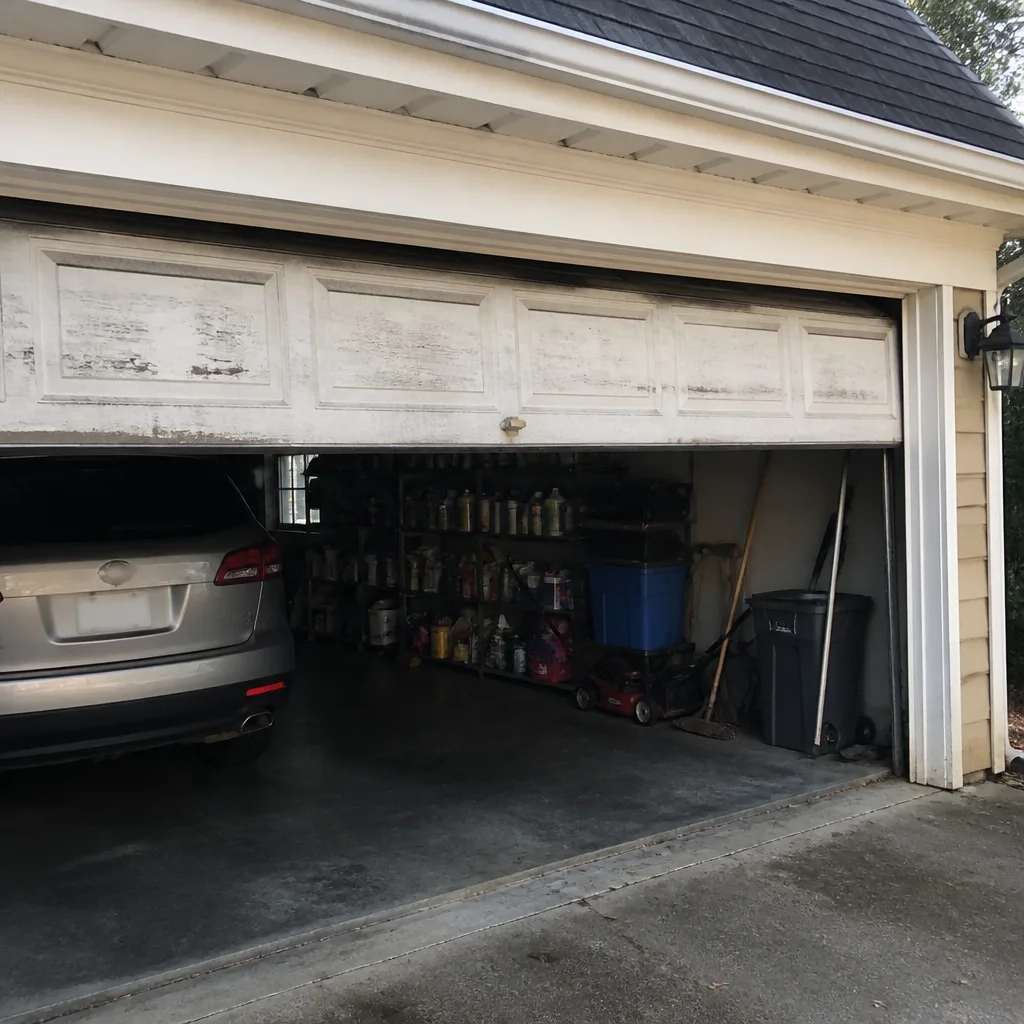 Before
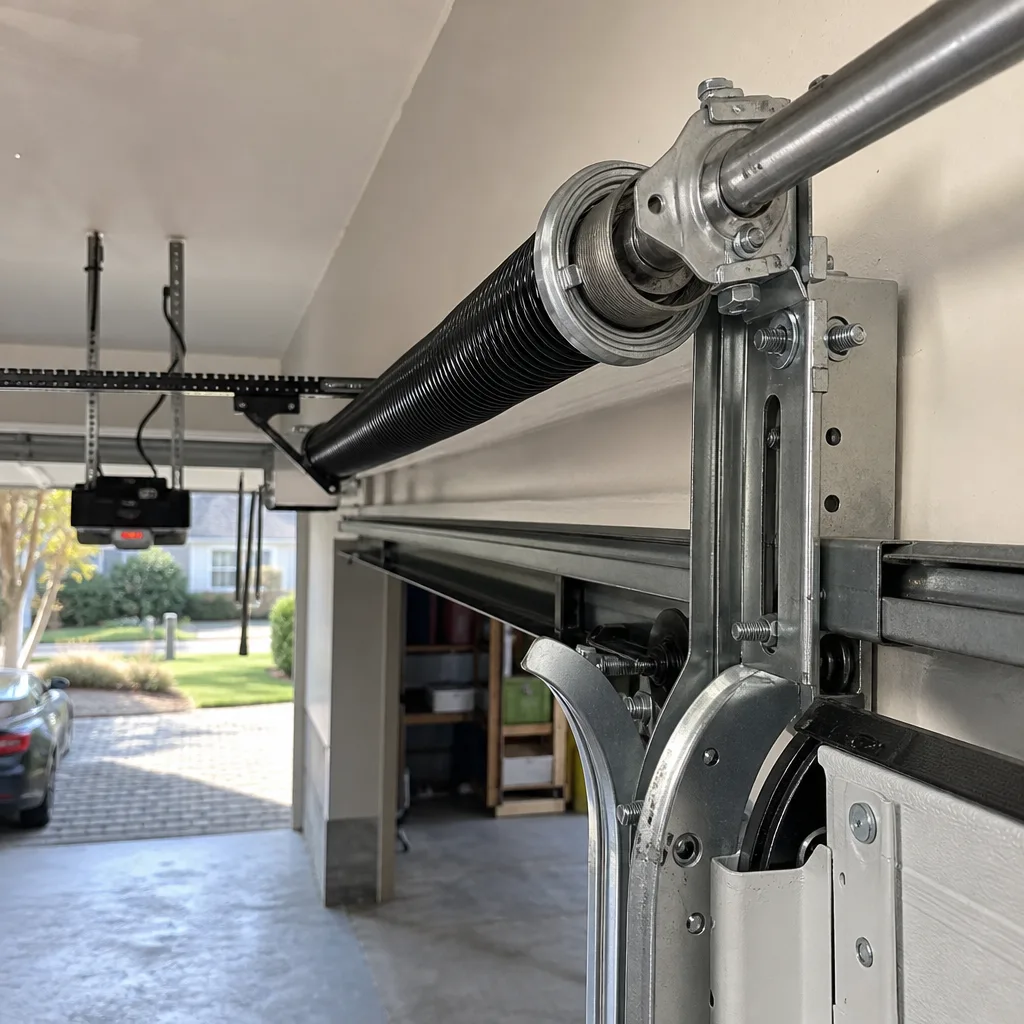 After
After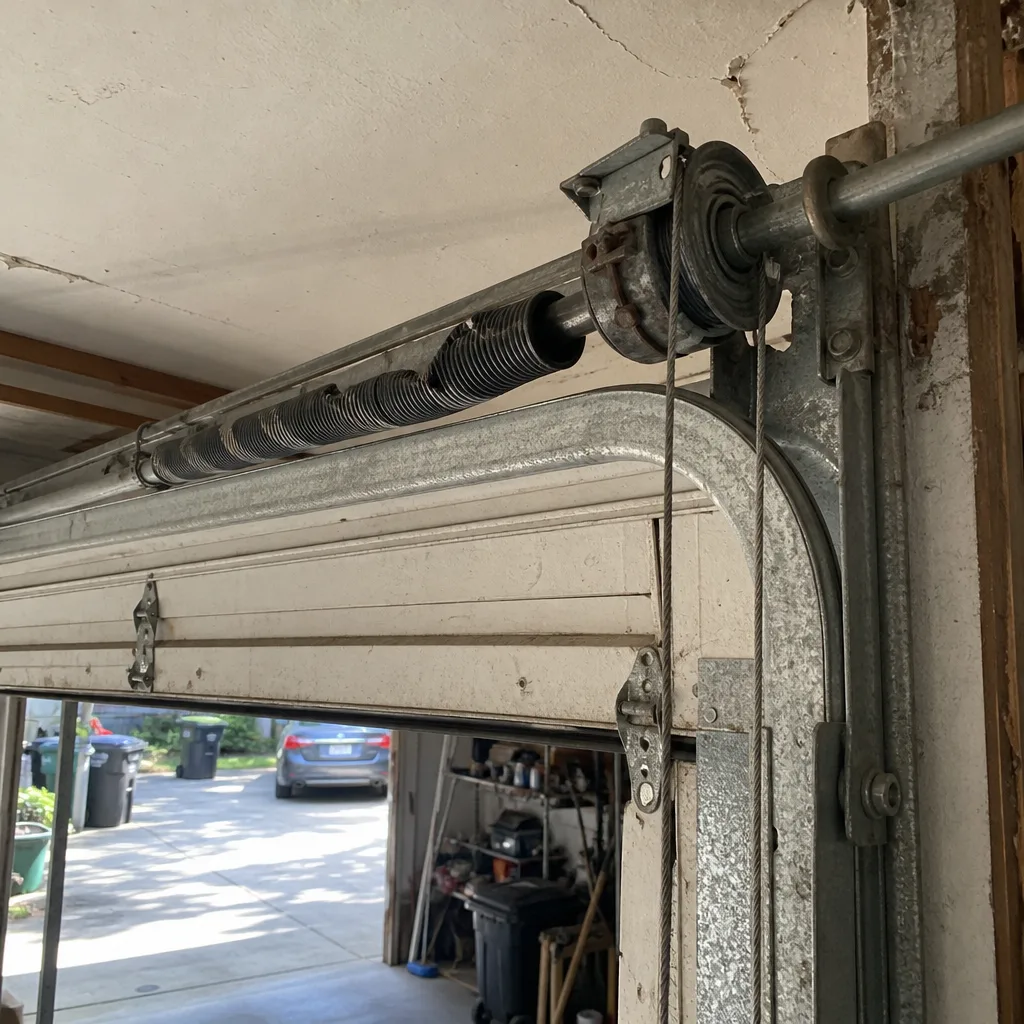 Before
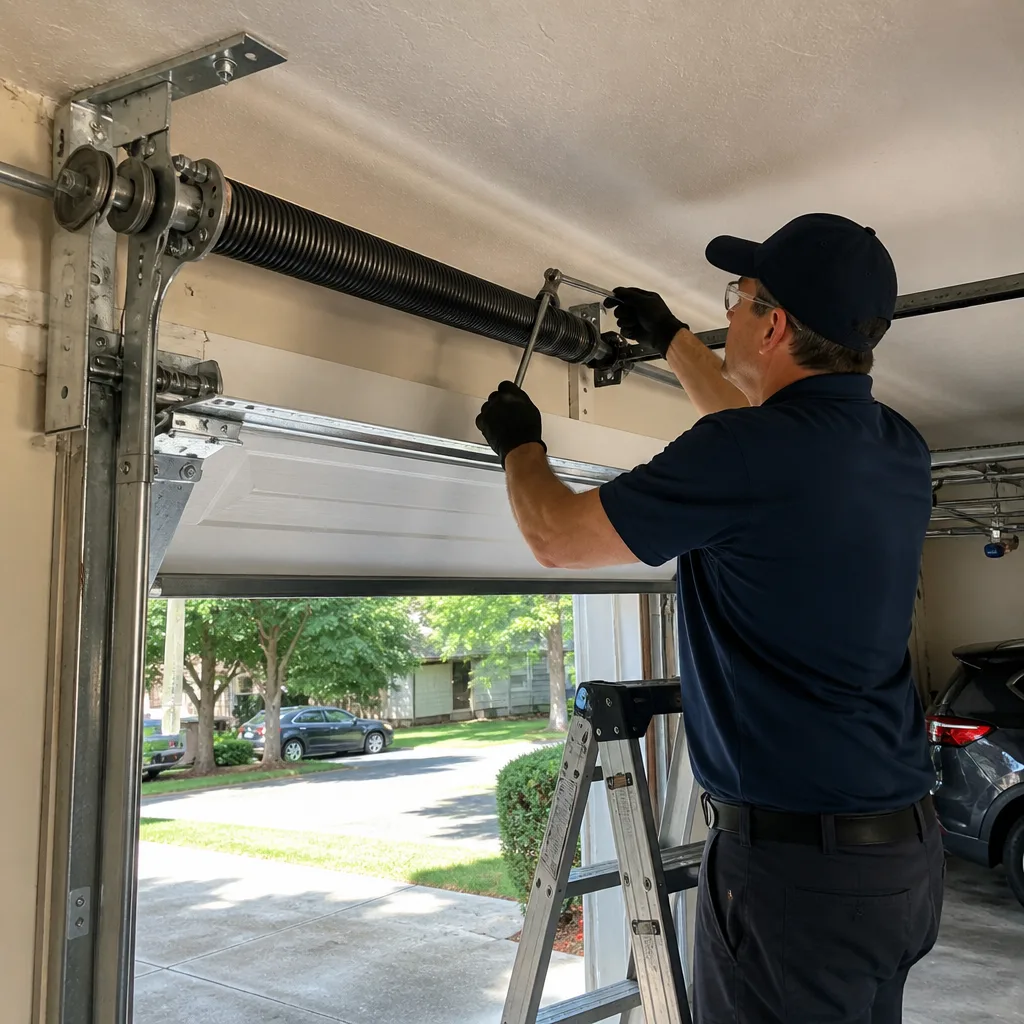 After
After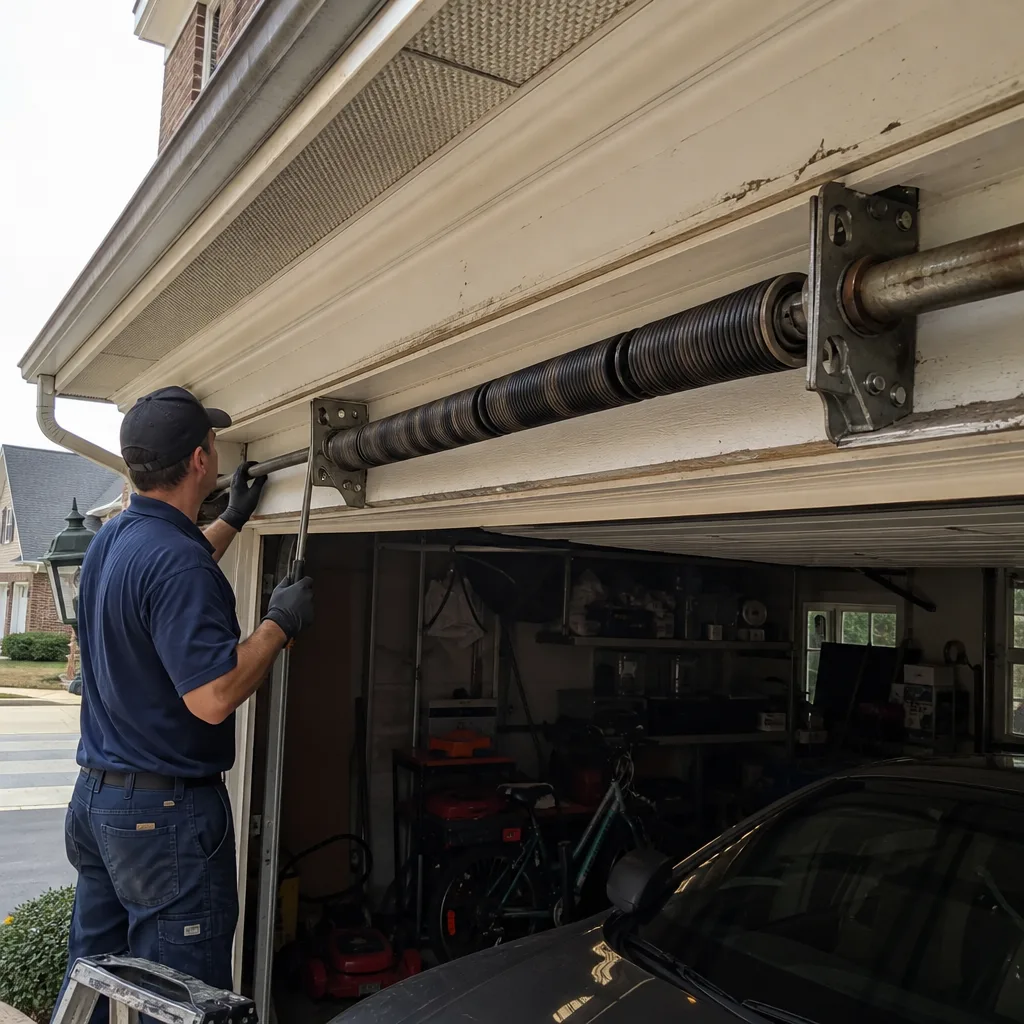 Before
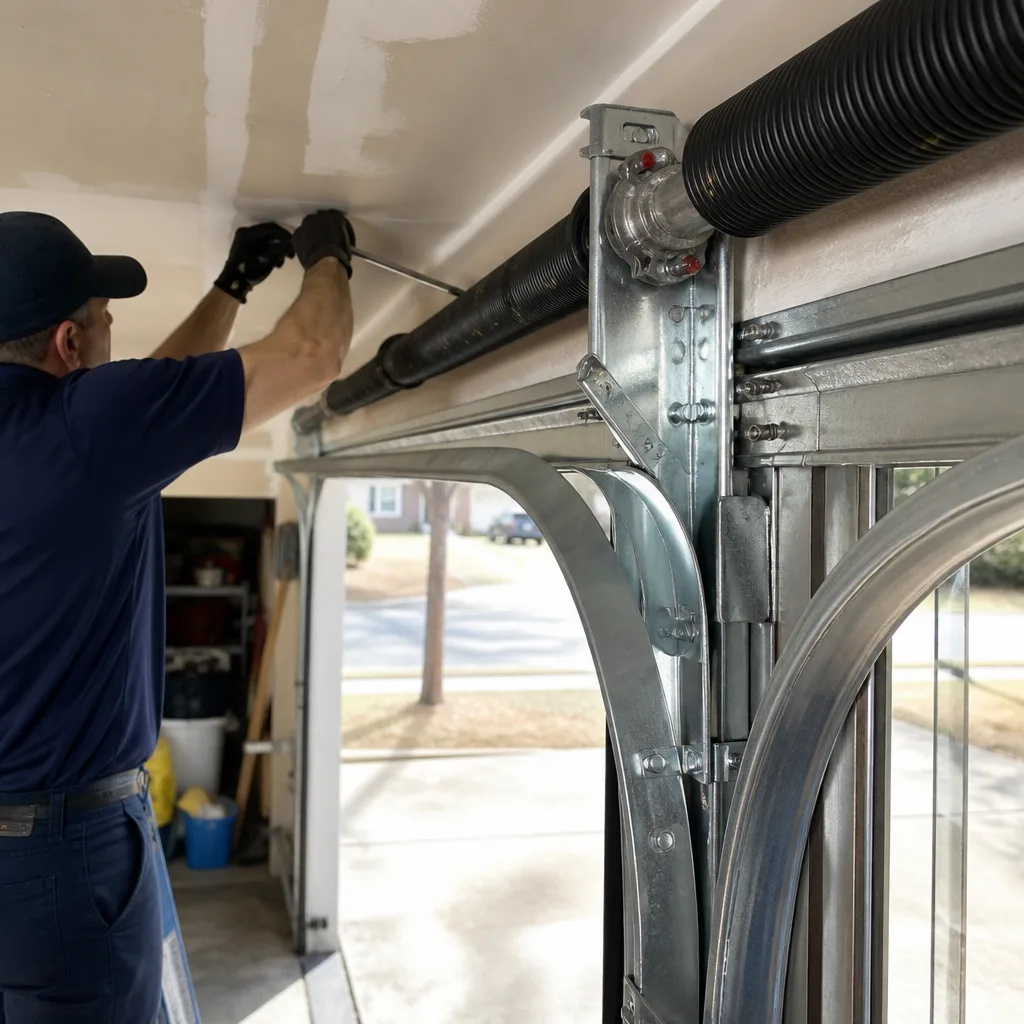 After
AfterWhen to Call a Professional
This is not an area where guesswork is wise. If you are replacing a garage door in Alpharetta and you are unsure whether the opening was originally permitted, call the city building department and ask. If the project involves enlarging an opening, cutting a new one, or running new electrical work, get a contractor who does permitted structural work as a matter of course, not as a special favor. And if the door you are replacing has no wind load label, is off its tracks, or has springs that look like they have been patched rather than replaced, call a professional before anyone touches it. Torsion springs under tension are dangerous enough that we do not publish DIY instructions for spring work, and we recommend the same caution to every homeowner in Alpharetta. Fernbrook Garage Doors Alpharetta offers free estimates in Alpharetta, and we will tell you in writing whether a permit is required for your job, for free, before any commitment. Call (229) 471-5755.
Frequently Asked Questions
You generally do not need a permit to replace an existing garage door with a new door of the same size in the same opening with no structural or electrical changes, but if you are changing the opening size, the header, or adding a new electrical circuit, a permit is required. Call the City of Alpharetta building department with your address for a definitive answer, or call Fernbrook at (229) 471-5755 and we will confirm the permit status in writing as part of your free estimate.
A structural permit for garage door work in Alpharetta typically falls between $150 and $500 depending on the project valuation, and an electrical permit for a new opener circuit runs roughly $75 to $200, though your exact fee comes from the building department. Same-size replacements with no structural or electrical changes carry no permit fee at all.
If your Alpharetta home is part of a community with a homeowners association, the HOA usually requires written approval for changes to the door’s material, color, panel pattern, or window configuration, and this process is separate from any city permit. Start the HOA review early, because a 30-to-60-day review window can exceed the lead time on a custom door.
Garage doors in the Alpharetta area typically need to meet a wind load rating between 90 and 115 mph, and the door must carry a manufacturer’s label showing the design pressure in pounds per square foot that matches or exceeds the requirement for your address. A Clopay or Amarr door dealer can pull the spec sheet and confirm compliance before you buy.
If your project required a permit, the City of Alpharetta will schedule a final inspection after the door is installed, and the inspector will check the header, the wind load label, the spring containment, the electrical connections, and the safety reversal system. Most inspections pass without correction when the installer did permitted work to code.
Yes, Fernbrook Garage Doors Alpharetta confirms the permit determination in writing on every quote, for every job, as part of our standard written price before any work begins. Call (229) 471-5755 for a free estimate and we will tell you exactly what your project requires and what it costs, with no guessing and no surprises.
The Bottom Line
A garage door replacement in Alpharetta is usually a no-permit project, but the exceptions are structural, electrical, and HOA-related, and they matter more than most people realize. The difference between a permitted job and an unpermitted one can surface years later at a home inspection, and it is far easier to handle correctly at the start than to explain later. Same-size replacement in the same opening: no permit. Changed opening, changed structure, or new wiring: yes permit. HOA community: separate approval. Wind load code: applies to every door you buy. If you would rather have a definitive answer for your specific address, Fernbrook Garage Doors Alpharetta will give you one in writing, along with a free estimate, at (229) 471-5755, and you can find more guides & resources on our blog.
Written by Jesse Calder, Owner at Fernbrook Garage Doors Alpharetta, serving Alpharetta since 2002.