
Last updated October 17, 2026
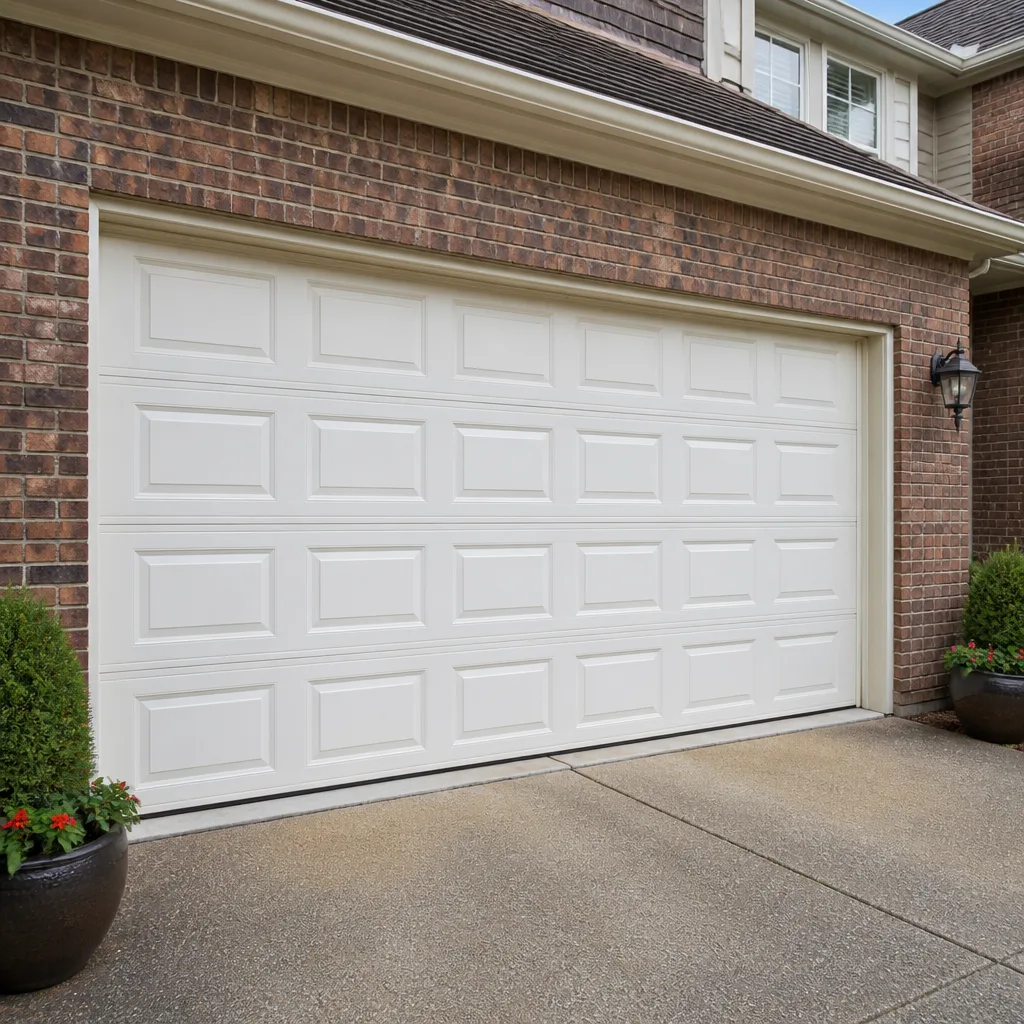 Raised-panel steel
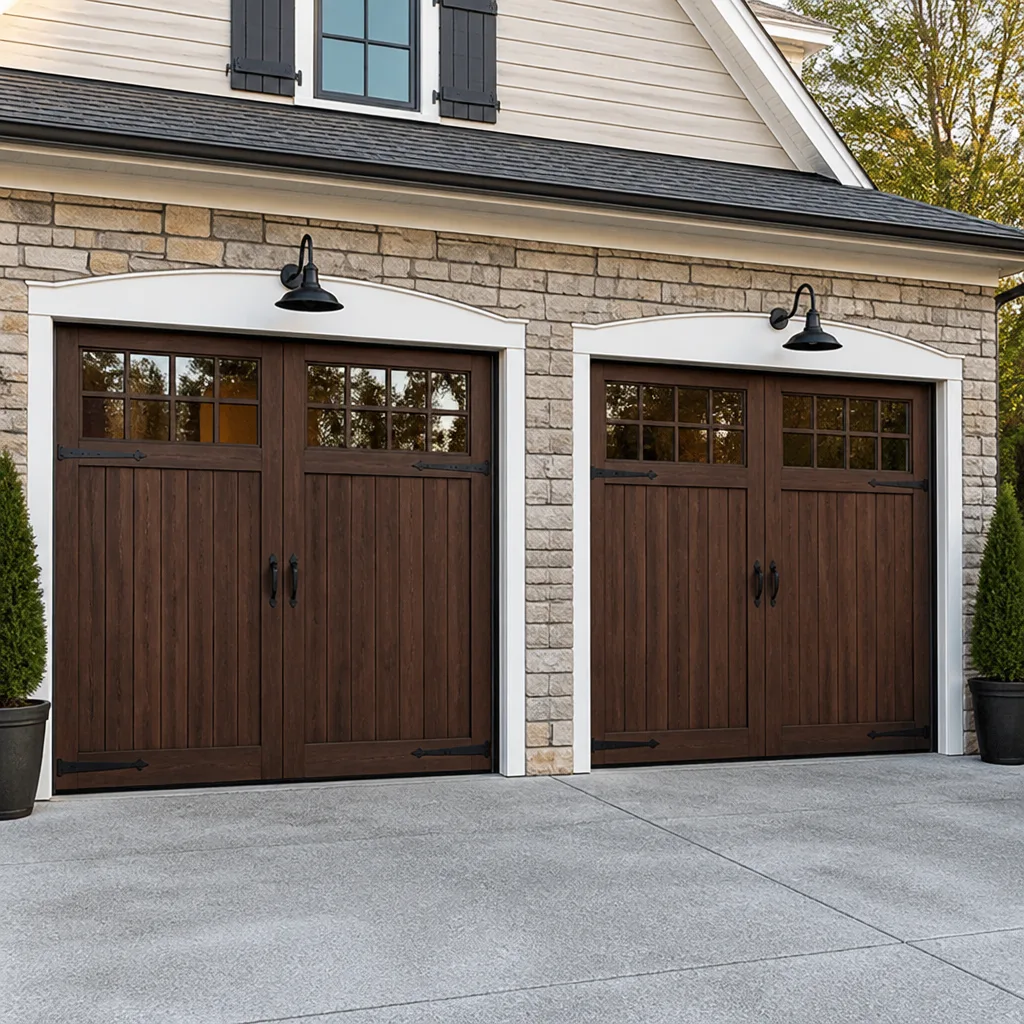 Carriage house
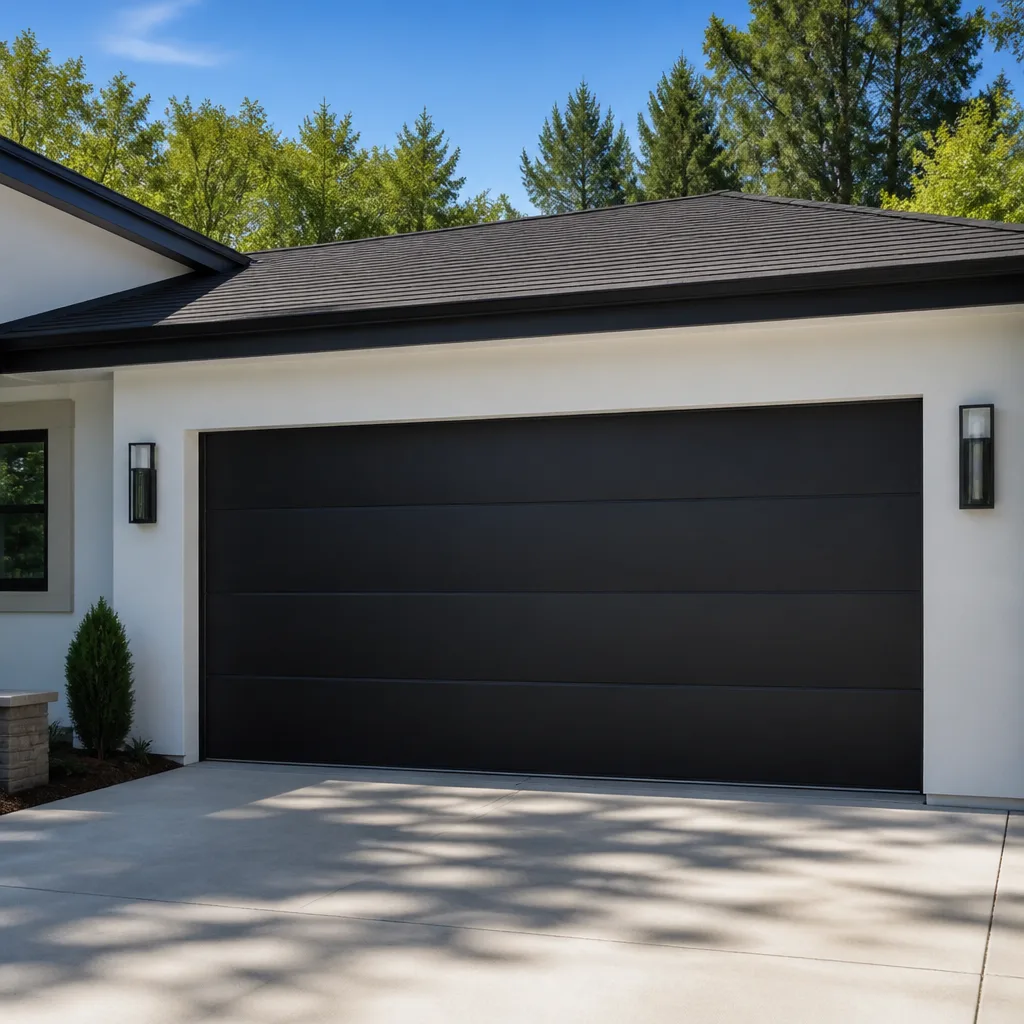 Modern flush
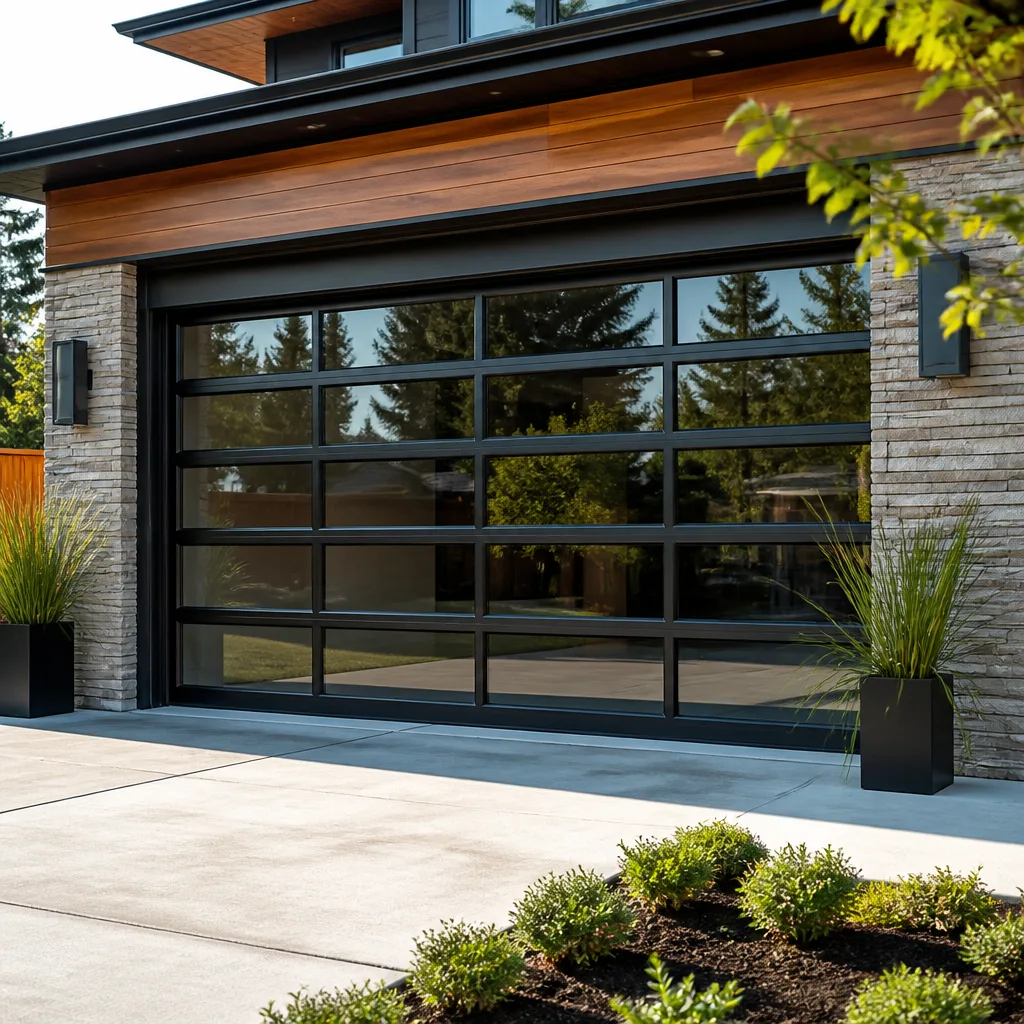 Full-view glass
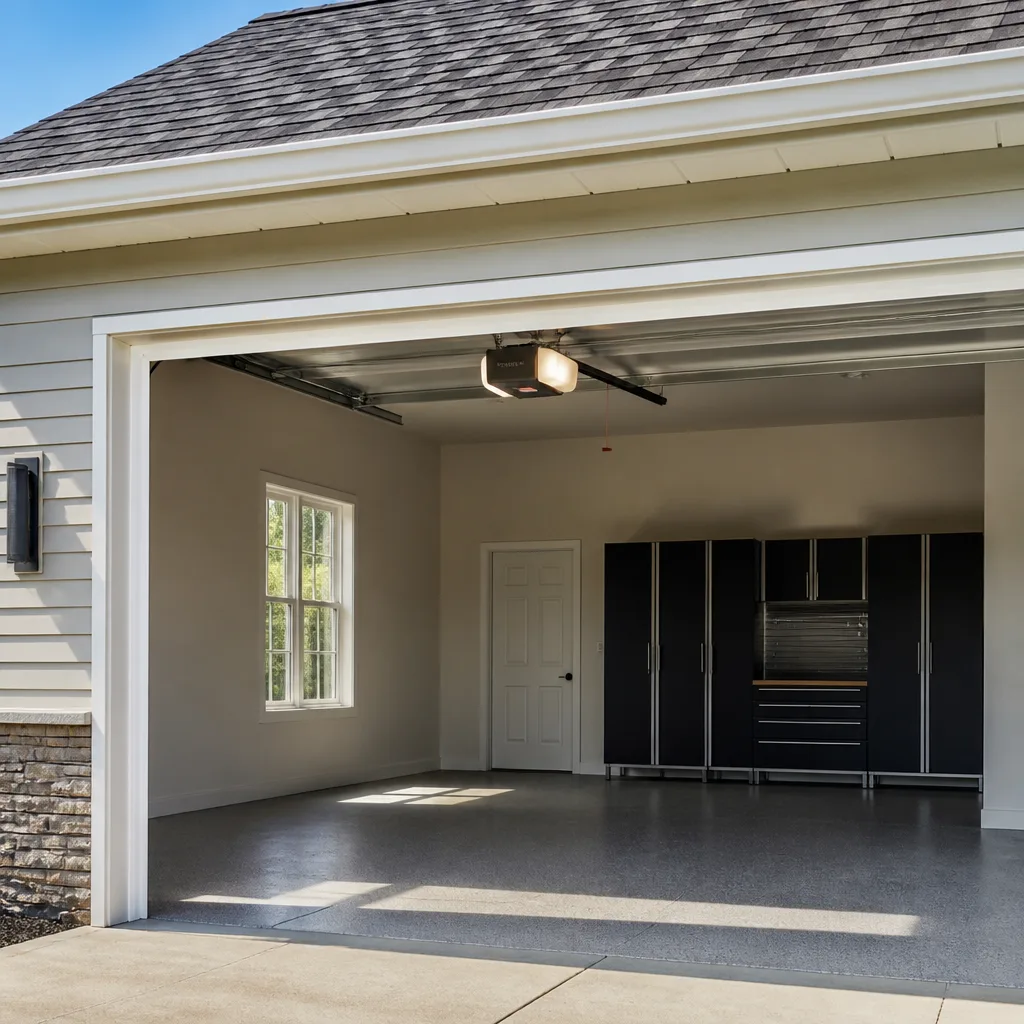 LiftMaster openers
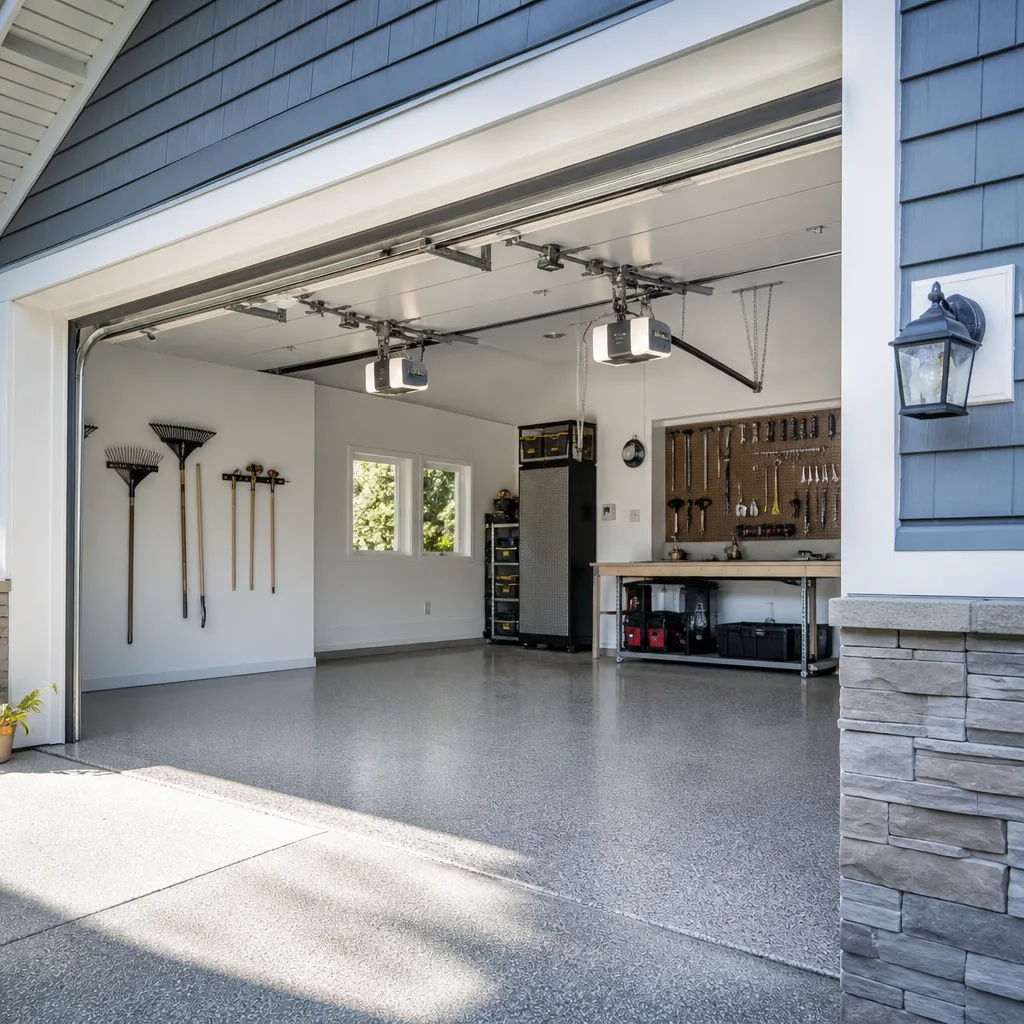 Chamberlain openers
Full 25-point door and opener safety check with every visit - springs, cables, rollers, tracks, and your LiftMaster or Chamberlain opener included
You get a price before we start. It does not change when the truck arrives.
Get your free estimateGarage Door Warning Signs: A Alpharetta Homeowner’s Reference Guide
A garage door that shudders slightly on the way up is not “breaking in.” It is a track alignment issue that will wear out the rollers within six months if left alone, and new rollers cost roughly three times what a track adjustment does. Most Alpharetta homeowners we meet do not have a problem with neglect. They have a problem with triage. They hear a noise, see a wobble, notice a gap, and they have no framework for deciding whether to act now, act this month, or keep an eye on it. This guide gives you that framework. It sorts the most common garage door warning signs into three clear urgency tiers, explains what each sound and visual symptom actually means inside the mechanism, and tells you when a problem is truly dangerous versus merely inconvenient.
Styles & brands we work with
Quick Answer
The garage door warning signs that matter most in Alpharetta fall into three categories: stop using the door now (broken spring, snapped cable, door coming off the track, opener reversing hard without obstruction), schedule within two weeks (persistent scraping, grinding at the opener, visible wear on rollers or hinges, uneven bottom gap), and monitor for 30 days (light rust, minor squeaks, slight slowdown in colder months). If the door moves unevenly, makes a sound it did not make last season, or leaves a gap at the floor, do not wait until it stops opening. A written quote before any work begins costs nothing and tells you exactly where you stand.
Table of Contents
- The Three Urgency Tiers: When to Act and When to Watch
- What That Sound Actually Means: Scraping, Grinding, Popping, Banging
- Visual Warnings on the Door Face: More Than Paint and Weathering
- Opener Behavior as a Diagnostic Tool
- The Uneven Bottom Gap: The Most Overlooked Warning Sign
- How Alpharetta Weather Accelerates Garage Door Wear
- What You Can Check Yourself, and What You Should Not Touch
- Common Mistakes to Avoid
- When to Call a Professional
- Frequently Asked Questions
- The Bottom Line
The Three Urgency Tiers: When to Act and When to Watch
Every garage door symptom belongs in one of three buckets. The buckets are not about how loud the problem is. They are about how fast the problem is degrading the door, the opener, or the safety of the people walking under it. Here is the framework we use when a homeowner in Alpharetta calls and describes a symptom over the phone.
Tier 1: Stop Using the Door Today
These are the signs that mean the door is no longer safe to operate as a normal part of your day. Do not test it. Do not “just open it one more time” to get the car out. Unplug the opener or pull the release handle only if the door is already open, and call a professional.
- A snapped torsion spring. You will sometimes hear it: a loud bang from the garage that sounds like a firecracker or someone dropping a weight bar on concrete. After that, the door either will not open at all or opens only a few inches. One spring carries the entire weight of the door when the other is broken.
- A snapped or frayed lift cable. Look at the cables running along each side of the door. If one is frayed, dangling, or has visible broken strands, stop using the door immediately. That cable is holding hundreds of pounds of tension.
- The door coming off its track. If the door visibly leans, binds, or one side climbs higher than the other while moving, the rollers may be climbing out of the track. A door that leaves the track can fall.
- The opener reversing hard without anything in the way. If the door starts down and slams itself back up as if it hit an obstacle, but the floor is clear, the safety sensors or the force settings may have failed. You are dealing with a door that cannot tell the difference between a child’s toy and open air.
Any of these means the door is unpredictable. Unpredictable doors hurt people. Call someone who can come out the same day. Garage Door Repair in Alpharetta covers all of these failures, and our live-person line is answered 24 hours a day.
Tier 2: Schedule Within Two Weeks
These are the signs where the door still works, but something is clearly wearing. Every cycle adds to the damage. Two weeks is usually enough time to schedule around work and school without letting a $180 repair become a $600 repair.
- Persistent scraping or metal-on-metal contact during travel.
- A grinding sound from the opener motor that has become the norm rather than the exception.
- Visible cracks, chips, or flat spots on the rollers (look for nylon wheels that look squared off instead of round).
- A visible bow or crack in any individual panel, especially on the bottom panel.
- A gap at the bottom of the door that is wider on one side than the other.
None of these mean the door will fail tomorrow. All of them mean the repair is smaller today than it will be next quarter. If you live in a neighborhood like Windward or Crabapple with an attached garage, the noise alone is a quality-of-life problem worth solving before it gets worse.
Tier 3: Monitor and Check Again in 30 Days
Some warning signs are early indicators. They are worth noting, worth watching, and not urgent.
- Light surface rust on the track brackets or hardware. Wipe it, spray a corrosion inhibitor if you want, and watch whether it returns.
- A minor squeak that happens only on cold mornings and goes away as the day warms. This is common in Alpharetta from November through February.
- Slightly slower travel in winter compared to summer. Garage door components contract in cold, especially the lubricant.
- A door that sits level but has a slightly wider gap at one corner of less than a quarter inch. Mark it with tape, check it in 30 days, and if it has grown, move it to Tier 2.
The point of the framework is calm. Most symptoms are Tier 2 or Tier 3. Only a handful are Tier 1. Knowing which is which is what lets you make decisions without panic.
What That Sound Actually Means: Scraping, Grinding, Popping, Banging
Sound is the most common way a garage door tells you something is wrong, and it is also the most commonly misread signal. Not every noise is the spring. Not every rattle is the track. Here is what each distinct sound implicates, based on the mechanisms inside a residential garage door.
Scraping: Metal Dragging Across Metal
A scraping sound during travel usually means one of two things: the track is out of alignment and the rollers are dragging against the track wall, or a roller has seized and is sliding instead of rolling. The sound will often get louder at one specific point in the door’s travel, which tells you exactly where the misalignment lives. In Alpharetta, if the door faces the afternoon sun, the track on that side expands and contracts through more daily thermal cycles than the shaded side, which gradually pulls it out of true. That is an alignment fix, not a parts replacement, if you catch it before the roller bearing is destroyed.
Grinding: The Opener is Working Too Hard
Grinding at the opener unit itself points to the drive mechanism inside the opener: a worn gear on a chain or belt drive, or a bearing going dry in the motor. If the grinding only appears while the opener is actively pulling the door and the door rattles as it moves, the opener is fighting a door that has become heavier to lift. Often the real culprit is a spring that has lost tension over years of use, leaving the opener to carry more weight than it was designed for. Running the opener in that condition is how you burn out a motor that should have lasted another decade.
Popping: The Spring is Talking
A single popping sound that happens once and then the door works fine can be a spring settling on its shaft, especially on new installations. A popping sound that recurs, or that accompanies a visibly jerky door, is a spring binding against itself or against the torsion shaft. Coated springs that are wearing through their coating make a crackling or popping series of small sounds as the coating separates. If the pop is followed by any change in how the door moves, treat it as Tier 2 and have a professional check spring tension.
Banging: Loose Hardware or a Door Out of Balance
Banging is more common on the closing cycle, especially at the halfway point. The door’s panels are joined by metal hinges, and every hinge is bolted through the steel or wood. Over years of vibration, those bolts loosen. A door with loose hinges bangs as the panels shift slightly against each other. If the banging is loudest at the floor, the door may be out of balance and slamming the final few inches instead of setting down gently. Either way, it is a fastening or balance issue. Both are inexpensive to correct and become expensive if the panel end stiles develop cracks from the repeated impact.
Visual Warnings on the Door Face: More Than Paint and Weathering
Alpharetta homeowners tend to read visual wear on a garage door the way they read visual wear on a fence or a deck: cosmetic, maybe a project for next spring. Some of it is. But three specific visual patterns on the door face are structural warnings dressed up as weathering.
Diagonal creases or dents radiating from a hinge point mean the panel has twisted under load. A torsion spring that loses tension on one side pulls the door unevenly, and the panel is the thing that bends. A creased panel is already permanently deformed. Replacing a panel costs more than rebalancing the door, and if you have a Clopay or Amarr door in a custom color, matching a single replacement panel can be difficult.
Paint cracking along the horizontal seams between panels is not just the paint failing. The panels flex every time the door cycles, and the paint at the seams is the first place movement shows. If the cracks are accompanied by visible rust weeping from the seam, moisture is getting into the panel joint and the steel is oxidizing from the inside. Alpharetta’s humid summers make this worse. Left alone, the bottom panel rusts through at the corners first, which is where the cable brackets attach. That is a structural failure waiting to happen.
Worn or peeling weatherstripping on the bottom edge is often dismissed as just rubber doing what rubber does. But that rubber strip is the seal between your conditioned garage air and the Georgia humidity outside. When it compresses unevenly or tears at one end, the result is both a moisture entry point and a visual indicator that the door is not settling evenly. If one side of the weatherstripping is flattened more than the other, the door has been sitting with more weight on that side. That is the same imbalance that wears rollers and bends hinges over time. On doors from brands like Raynor or Wayne Dalton we see this pattern frequently enough to treat it as an early diagnostic rather than an afterthought.
Opener Behavior as a Diagnostic Tool
Most Alpharetta homeowners think of the opener as a binary device: it works or it does not. But between those two states, the opener produces a stream of behavioral data about the condition of the entire door system. Here is how to read it.
Slow Response or Slow Travel
If the opener hesitates for a second or two before engaging, or if the door itself moves noticeably slower than it did a year ago, three things are worth checking in order: the condition of the spring, the condition of the rollers, and the condition of the opener’s motor. The spring is the most common culprit, because as it loses tension the opener is left pulling more of the weight. A door that was balanced will move with almost no strain on the motor. A door that is out of balance moves like it is carrying something heavy, because it is.
Reversing Without Obstruction
Every opener installed in the United States since 1993 has safety reversal built in as a federal requirement. The door should reverse if it strikes something solid on the way down, and the photo-eye sensors should reverse it if anything crosses the beam. If the door reverses when the floor is clear and the sensors are clean, one of three things is wrong: the sensors are misaligned enough to go blind intermittently, the force settings have drifted too sensitive, or the travel limits have shifted so the opener thinks it is hitting the floor before it actually does. All three are calibration or alignment issues. None of them are a reason to disengage the safety reversal, which is one of the most dangerous things a homeowner can do to a garage door.
Intermittent Operation
An opener that works in the morning but not the afternoon is teaching you something about heat. Opener motors have thermal overload protection that shuts them down when the motor gets too hot. In an Alpharetta summer, a garage can reach 110 degrees by mid-afternoon. An opener with a thinning motor winding or a failing capacitor will overheat in that environment and shut down, then start working again when the garage cools overnight. If the problem tracks with the heat, the opener is nearing the end of its service life. If it tracks with nothing at all, it is usually a loose connection at the wall button or the logic board. Brands like LiftMaster and Chamberlain have shown remarkable durability in our service area, but no brand survives a decade of Georgia heat without some component degrading.
When the opener is the problem, Garage Door Installation in Alpharetta includes a full opener evaluation so you know whether the issue is the motor, the logic board, or the way the door itself is weighted. A new opener installed on an unbalanced door will eat through its lifespan in half the time.
The Uneven Bottom Gap: The Most Overlooked Warning Sign
Almost every Alpharetta homeowner has looked at their garage door and thought about whether it opens. Far fewer have ever gotten down at floor level and looked at the gap between the bottom edge of the door and the concrete. In our experience, that gap is the single most diagnostic feature on the entire door, and it is the one most people never examine.
Here is why it matters for the structure: a door that sits with an even gap all the way across is a balanced door. The springs are doing their job, the track is aligned, and the cables are holding equal tension. A door that sits with a wider gap at one corner is a door where one cable has more play than the other, usually because the spring has lost tension on one side or because the track has crept out of plumb. The door is telling you it is unbalanced, and an unbalanced door wears every moving part faster.
Here is why it matters for security: that gap is the difference between a door that sits flush against the floor and one that can be pried up at the corner. A garage attached to your home is a doorway into the house, and an uneven footprint is leverage for anyone who wants to test it.
Here is why it matters for energy: Alpharetta summers run humid, and an attached garage with a gap at the floor is exchanging conditioned air for outdoor air all summer. Even a quarter-inch gap at full width adds up to meaningful air transfer, and a half-inch gap at one corner is a visible entry point for dust, pollen, and the occasional determined lizard. Fixing the gap is usually a spring tension adjustment or a track alignment, not a new door. But you have to notice the gap first.
Lay a level on the floor inside the garage, or just compare the gap visually from the inside with the door closed. Look at the daylight under the bottom edge. If the seal touches the concrete on both ends and the middle is raised, the concrete pad has settled. If one entire side is higher than the other, the door or the track is out of alignment. Either way, what started as an energy annoyance is the early warning of a door that will eventually resist smooth travel entirely.
How Alpharetta Weather Accelerates Garage Door Wear
Garage doors in Alpharetta do not fail at random. They fail in patterns, and the patterns follow the climate. A door that would last twenty years in a dry, mild climate will face more stress here, and knowing what the environment is doing to your door helps you understand why the warning signs appear when they do.
The big three factors are heat, humidity, and pollen. Heat expands the steel door panels and the metal track. The track and the panels expand at different rates because they have different masses and different exposures, and over years of daily thermal cycling the track gradually shifts out of true. This is why doors in Alpharetta tend to develop alignment problems slowly rather than all at once. The door works, then it starts scraping slightly, then the scraping gets louder, and one day you notice the door is not sitting level.
Humidity is the enemy of every moving steel part inside the door. Rollers, hinges, and bearing plates are made of materials that are rust-resistant to a point, and Alpharetta’s air tests that point every summer. Springs on most modern doors are coated, but when the coating wears from repeated expansion and contraction, the bare steel underneath is exposed to humid air. Spring that fails in an Alpharetta garage usually does so after years of coating degradation that nobody could see. The spring is tucked up on the torsion shaft, and out of sight means out of mind until the day it lets go.
Pollen here is a different kind of problem. In March and April, the yellow dust coats everything including the photo-eye sensors on either side of your garage door opening. A sensor lens covered in pollen can become intermittently blind, which causes the door to reverse for no apparent reason. The fix is simple: wipe the sensor lenses with a dry cloth. But most homeowners replace batteries, reprogram remotes, and call a repair company before anyone thinks to clean the actual lens. If your door starts reversing for no reason in the spring, clean the sensors first. It solves the problem about a third of the time we see it in Alpharetta.
What You Can Check Yourself, and What You Should Not Touch
There is a line between homeowner maintenance and professional repair, and crossing it in the wrong direction is how people get hurt. This section draws that line clearly.
Safe to Check Yourself
- Watch the door move through a full cycle. Stand inside the garage and watch the rollers on both sides. Watch whether the door hesitates, shakes, or scrapes. A visual inspection costs nothing and gives you a baseline.
- Check the bottom gap with the door closed. Compare both corners. Note whether the gap has changed since the last time you looked.
- Clean the photo-eye sensors. A dry microfiber cloth is all you need. Do not use water or glass cleaner, which can streak the lens and make the problem worse.
- Tighten loose hinge bolts. If you can see a bolt backing out of a hinge and you have a socket set, snug it down. Do not overtighten, and do not touch the bolts on the bottom bracket where the cable attaches; those bolts are under tension.
- Inspect the rollers visually. Look for nylon wheels that have flat spots, cracked surfaces, or metal visible through the coating. If a roller looks worn, note which panel it is on and let the technician know.
- Test the safety reversal monthly. Put a rolled-up towel or a 2×4 laid flat under the door’s path, close the door, and confirm it reverses when it contacts the object. This is a federal safety feature, and testing it takes thirty seconds.
Do Not Touch These
Torsion springs. The spring stores enough energy to break bones or worse if it releases while you are working on it. If the spring is broken, leave it. If the spring looks fine but the door is unbalanced, leave it. Spring tension adjustment requires winding bars, the right spring size data, and the knowledge of how many quarter-turns the spring needs. A Google search will make it look simple. It is not.
Bottom cable brackets. The cables run along both sides, and the bottom bracket is where they attach to the door’s bottom panel. That bracket is under constant tension, and the bolts that hold it are part of the tension system. Remove the wrong bolt and that cable becomes a whip.
Anything on the opener’s motor housing. The capacitor inside stores an electrical charge even when the opener is unplugged. Opening the housing without discharging the capacitor can stun you badly enough to fall off a ladder.
The best first step for any of these is a phone call. Garage Door Spring Repair in Alpharetta is a service we do daily, and it is the one component we always, without exception, recommend leaving to a trained technician.
Common Mistakes to Avoid
- Lubricating a grinding sound without finding the source. Spray lubricant silences a worn roller bearing for a week, and the grinding returns once the lubricant works its way out. You have bought time but not a fix, and the roller is still destroying the track while you wait.
- Ignoring a Tier 1 symptom because the door still opens. A broken spring means the opener is lifting the entire weight of the door alone. Every cycle is damaging the opener’s motor, and a motor replacement costs more than a spring replacement by a wide margin.
- Replacing the opener when the real problem is the door. We see this in Alpharetta constantly. The opener struggles, so the homeowner buys a new one, and the new opener struggles too because the door was unbalanced the whole time.
- Greasing the track. The track is meant to be dry. Grease attracts pollen and grit, which builds up into a paste that clogs the rollers. The rollers have their own bearings, and that is what needs lubrication if anything.
- Adjusting the photo-eye sensors by bending their brackets. Bent brackets mean the sensors will never align properly again. They are designed to be adjusted with the small wing nut, not by force.
- Waiting until the door stops working to call anyone at all. Every warning sign in this guide is cheaper to address before the door fails completely. The door always fails on the day you most need it to open.
When to Call a Professional
Call a professional when the door is in Tier 1: a snapped spring, a frayed cable, a door off its track, or an opener that reverses hard without obstruction. If you are unsure how to vet a technician, read How to Hire a Garage Door Contractor in Alpharetta: A Step-by-Step Guide. Call within two weeks when the noises are getting louder, the door moves unevenly, or the bottom gap has grown since you first noticed it. Call if the door shakes while moving, if the opener reverses for no reason after you have cleaned the sensors, or if any of the visual signs above match what you are seeing on your own door. If you live in Alpharetta, Fernbrook Garage Doors Alpharetta offers free estimates and a written price before any work begins. Technicians arrive in uniform, with shoe covers and drop cloths for inside the garage, and call (229) 471-5755 to schedule a visit at a time that works for your household.
For a fuller look at what a repair visit involves, see our Fernbrook Garage Doors Alpharetta home page, which lays out the Cedarwell Care Promise and how every visit is structured.
Frequently Asked Questions
Garage door spring repair in Alpharetta typically runs between $180 and $340 for a single spring, and $250 to $450 for a pair, depending on the spring’s wire size, length, and coating. Replacing both springs at once is standard practice because the two springs wear at the same rate. Call (229) 471-5755 for an exact quote, which you receive in writing before any work starts.
In most cases, yes. Broken springs, snapped cables, and off-track doors are the most common same-day repairs in Alpharetta, and our technicians carry the common spring sizes and roller sets on the truck. If the door needs a non-stock part ordered, we will tell you that before we schedule anything.
A broken torsion spring often sounds like a loud bang or pop from inside the garage, similar to a firework or a heavy object dropping. Sometimes the break is quieter. If the door suddenly will not open more than a few inches and the opener motor strains, the spring is the first thing to check.
Cold weather contracts the metal parts and thickens the lubricant on the rollers and hinges, which can make the door move slightly slower from December through February. If the slowdown is consistent with the cold and goes away as the day warms, it is usually harmless. If the slowdown persists in warm weather, the spring may be losing tension.
No. The price we give you is the price you pay, in writing, before any work begins. If we find something else during the repair that changes the scope, we stop and explain it before touching anything else. There are no surprise invoices at the end of a Fernbrook visit. Call (229) 471-5755 for a free estimate and you will have exact numbers before you make any decision. You can also explore more guides & resources on our blog.
Our technicians carry the most common torsion and extension springs, roller sets, hinge sets, cables, and opener parts on the truck for every visit. For doors from LiftMaster, Chamberlain, Genie, Clopay, Amarr, Wayne Dalton, Craftsman, and Raynor, we stock compatible components and can typically complete the repair in one trip.
The Bottom Line
Most garage door warning signs in Alpharetta are not emergencies, but they are information. The door is telling you, in sounds and gaps and small hesitations, whether it is balanced, whether the tracks are aligned, and whether the opener is doing its fair share of the work. The skill is not in hearing the warning. It is in knowing which warning means stop, which means schedule, and which means watch for thirty days. When you can sort the signs into those tiers, you stop overreacting to a cold-weather squeak and stop underreacting to a spring that has been carrying the door alone for six months. Watch the gap at the floor. Listen for changes. Test the safety reversal. And when something crosses into the range of a real repair, call (229) 471-5755 and get a written price before anyone touches the door. That is the calm, unhurried way to handle it, and it is the way we have always done it in Alpharetta.
Written by Jesse Calder, Owner at Fernbrook Garage Doors Alpharetta, serving Alpharetta since 2002.
See the difference
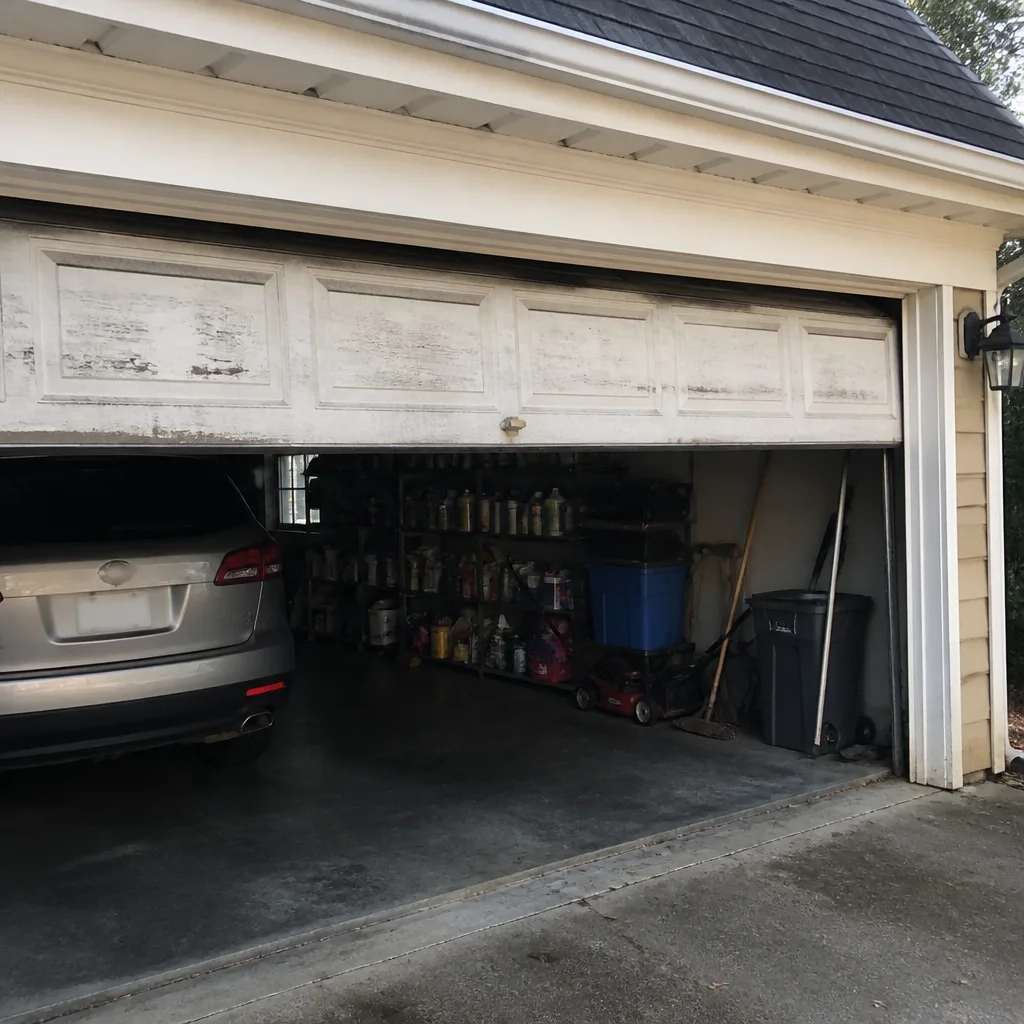 Before
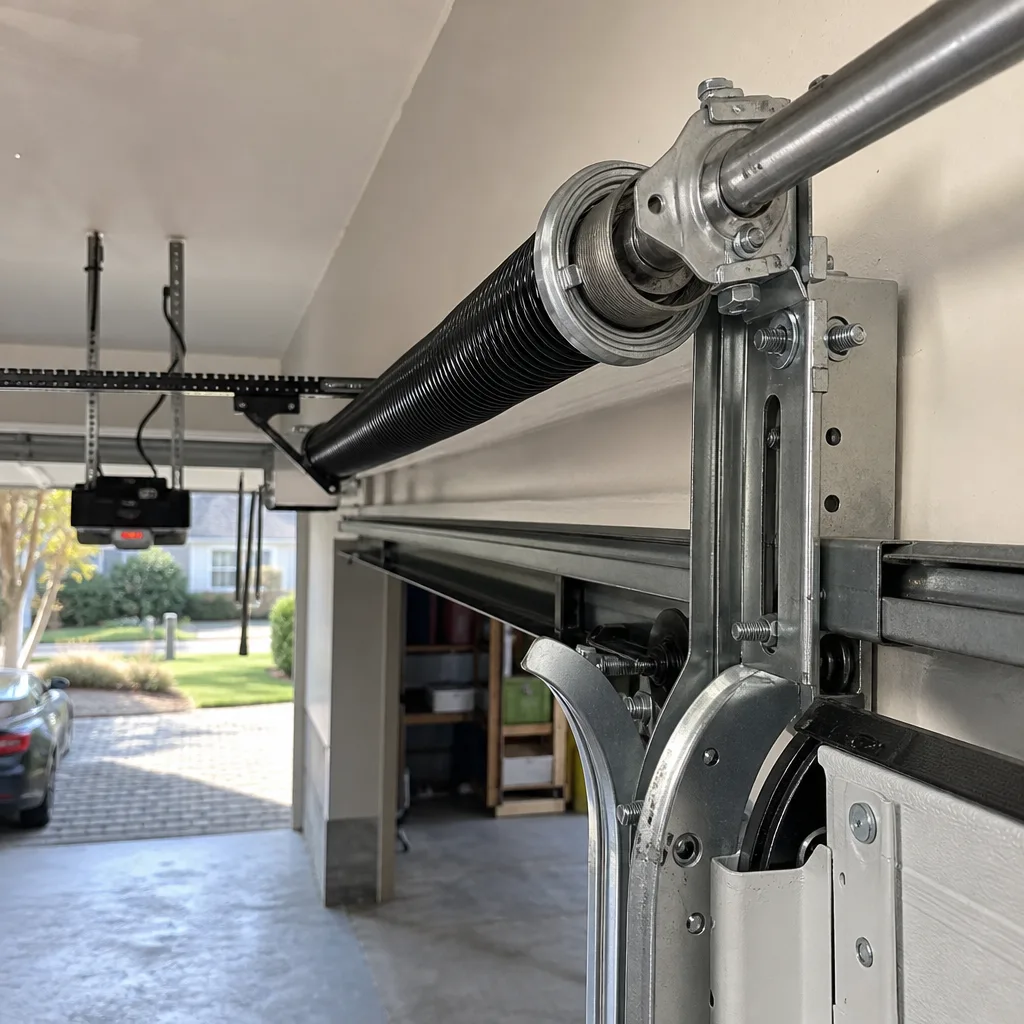 After
After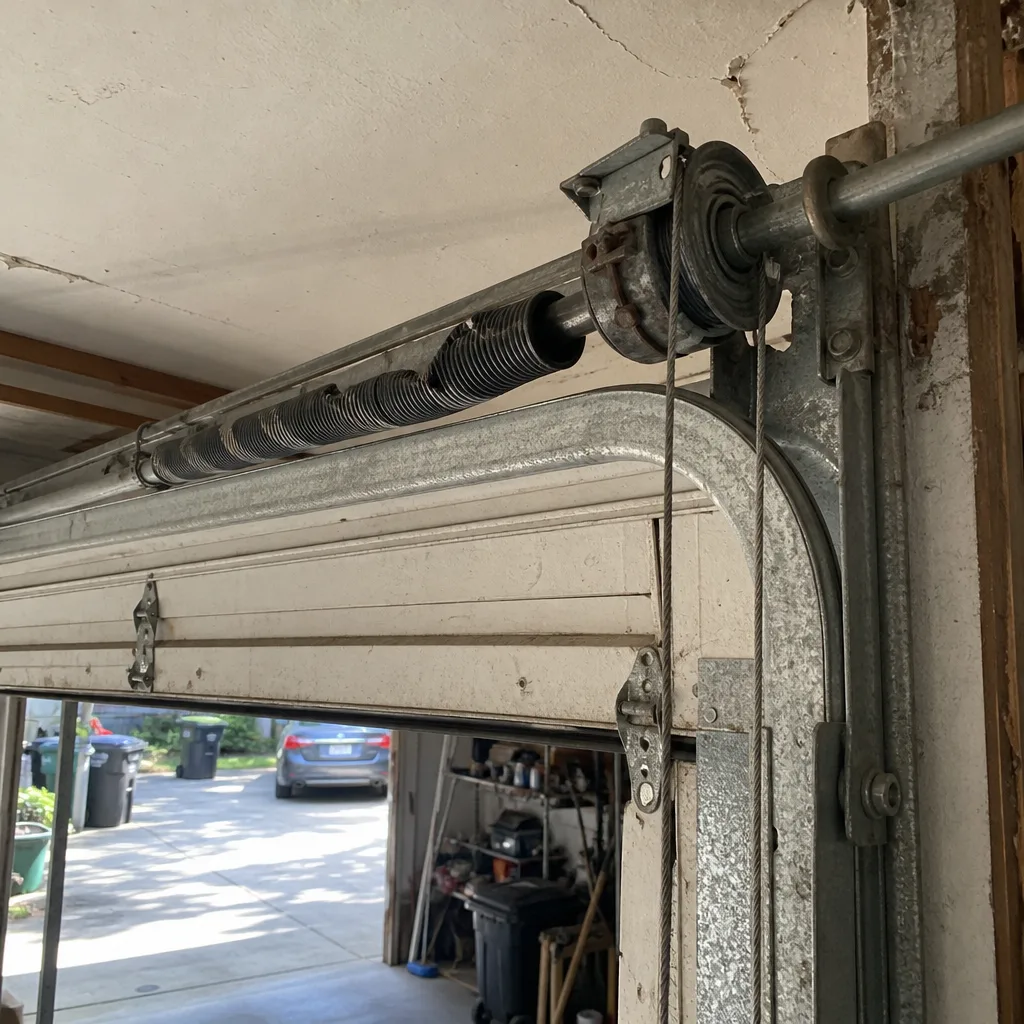 Before
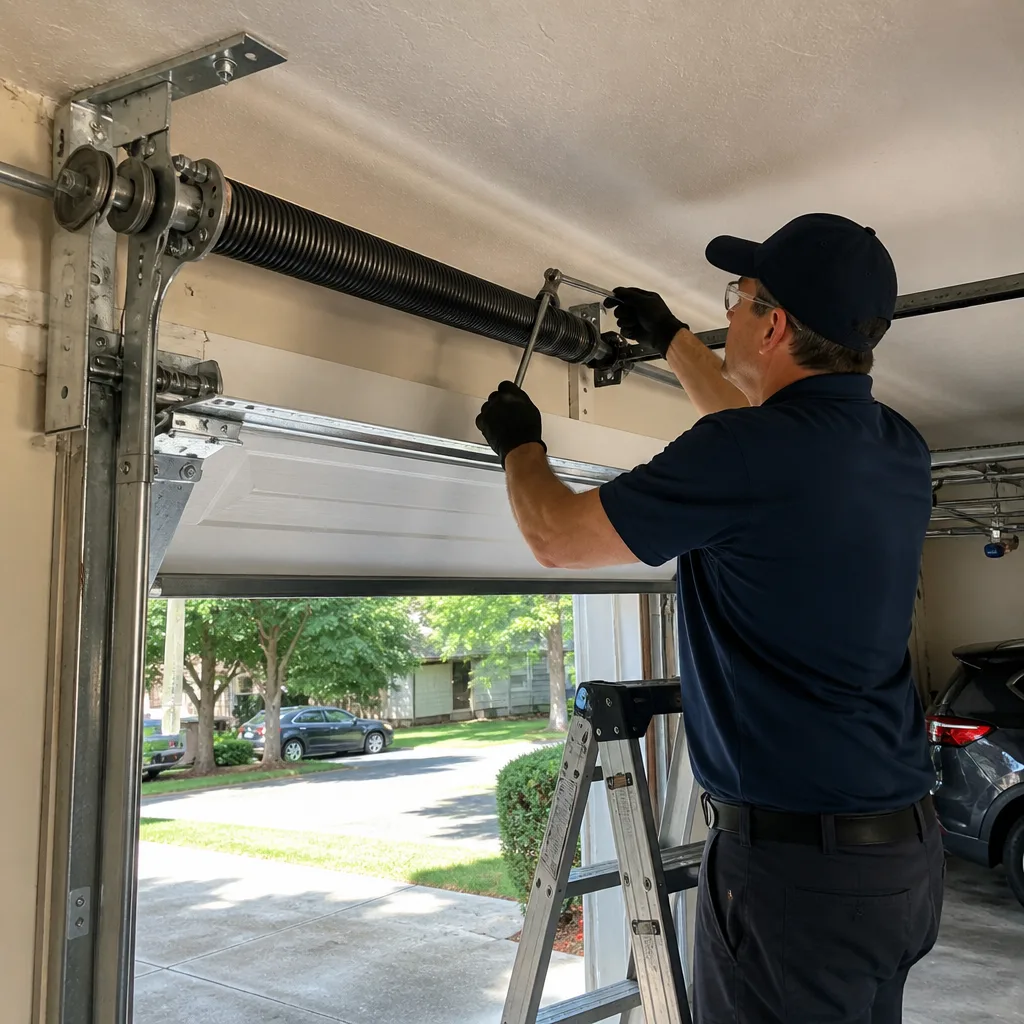 After
After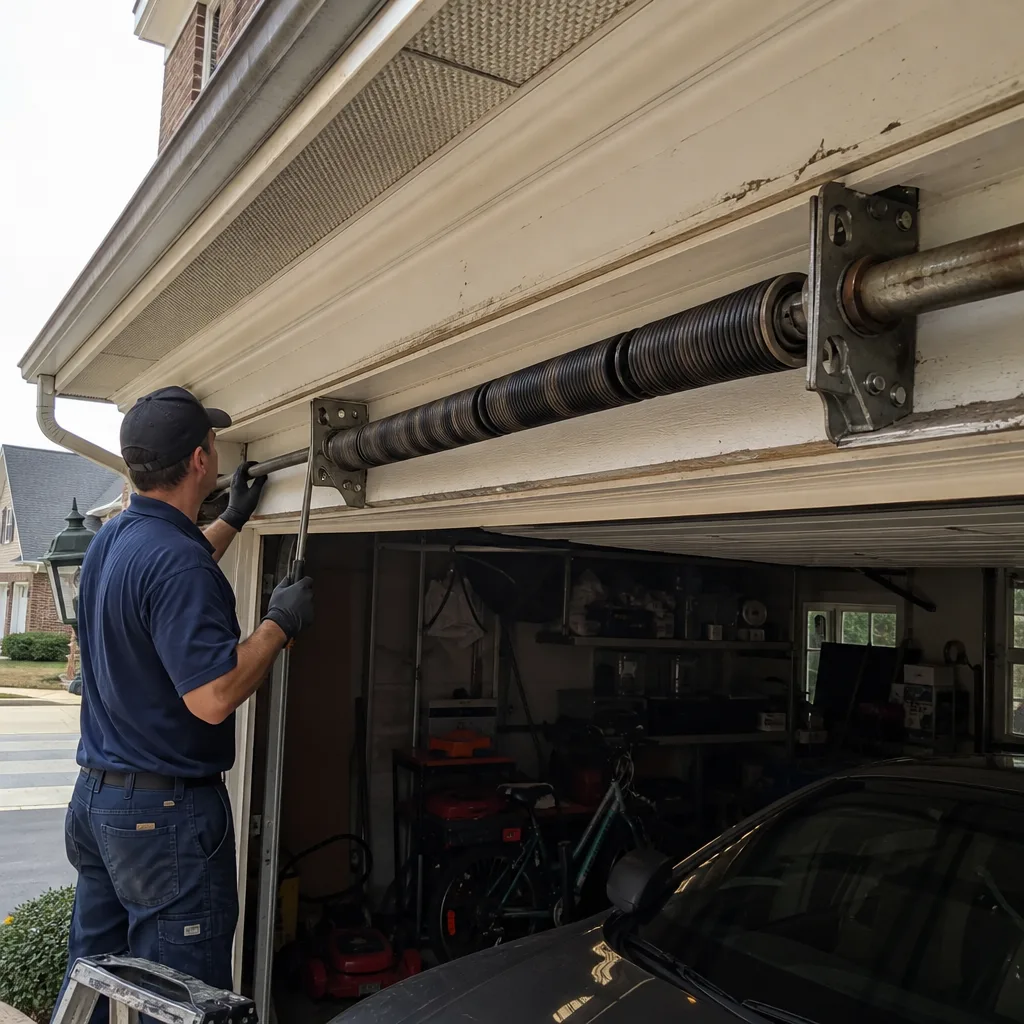 Before
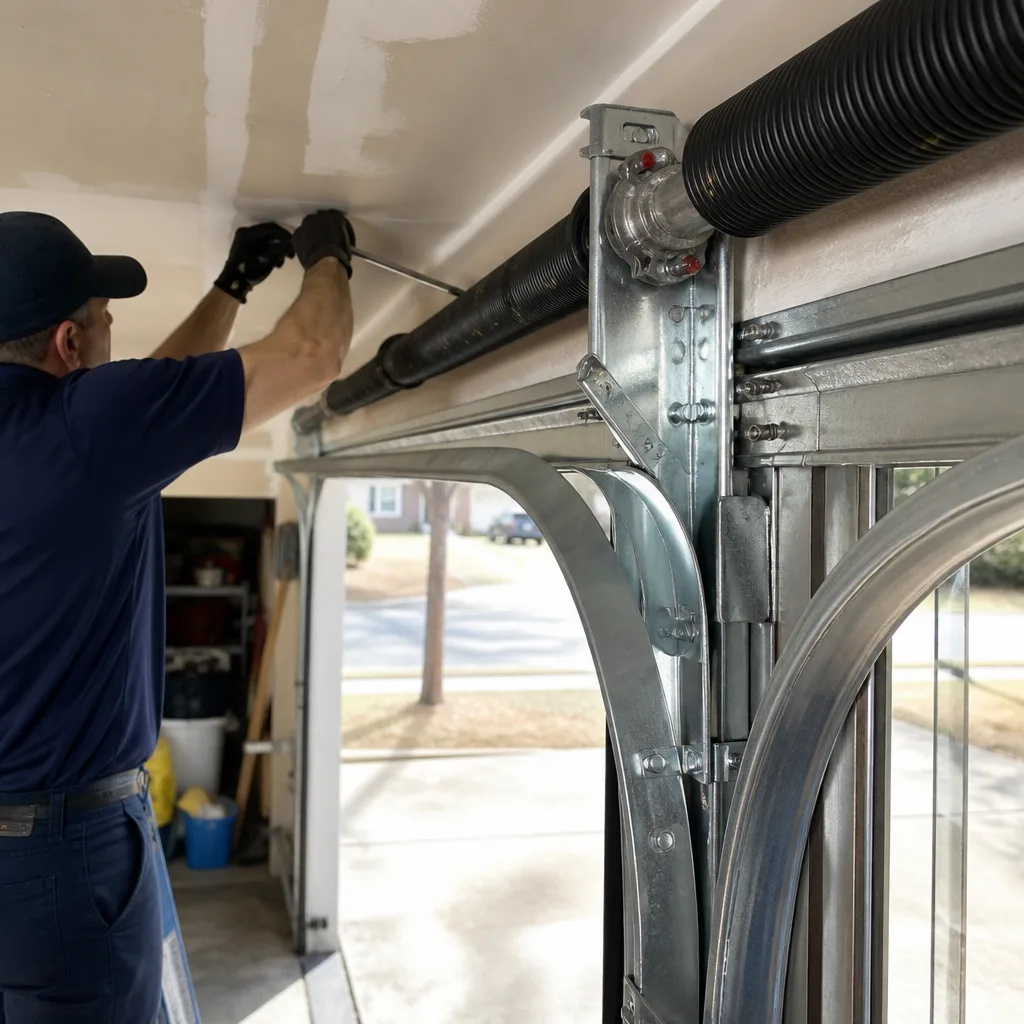 After
After