
Last updated October 17, 2026
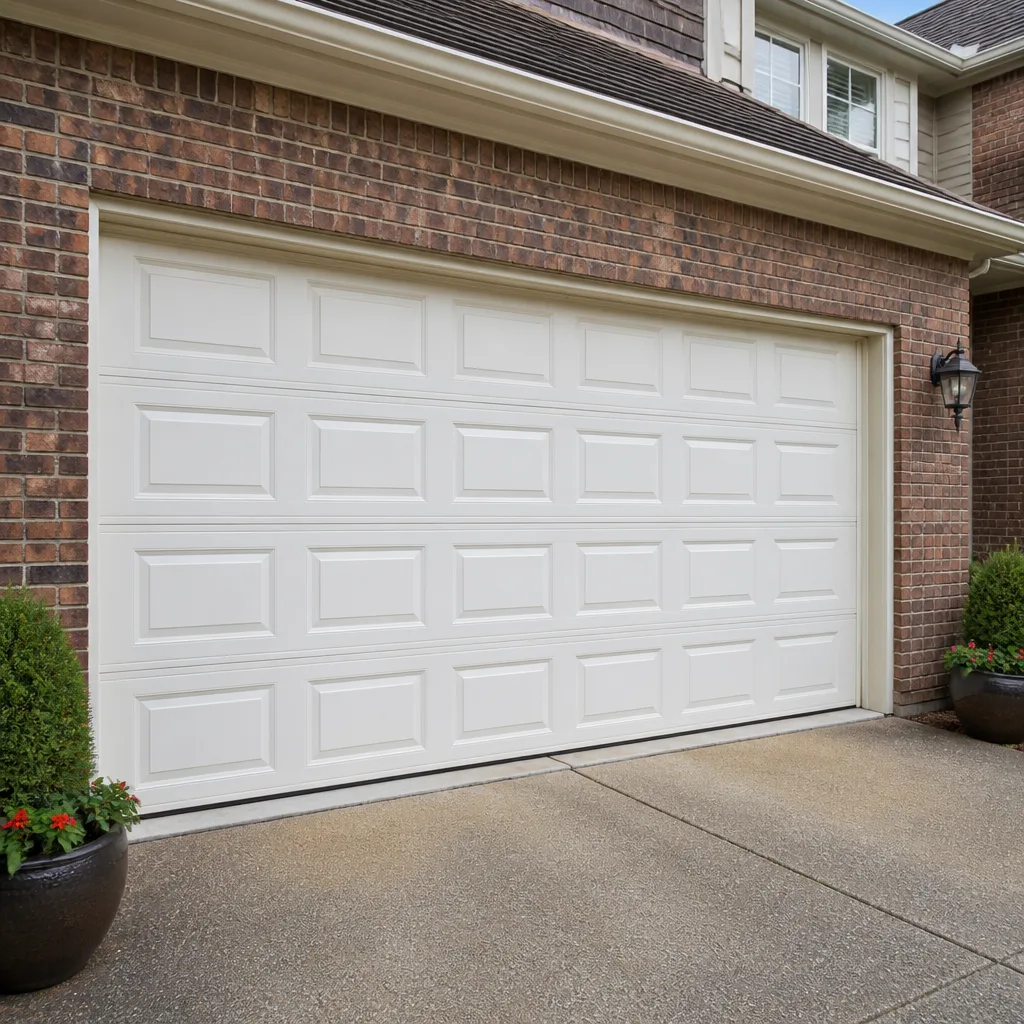 Raised-panel steel
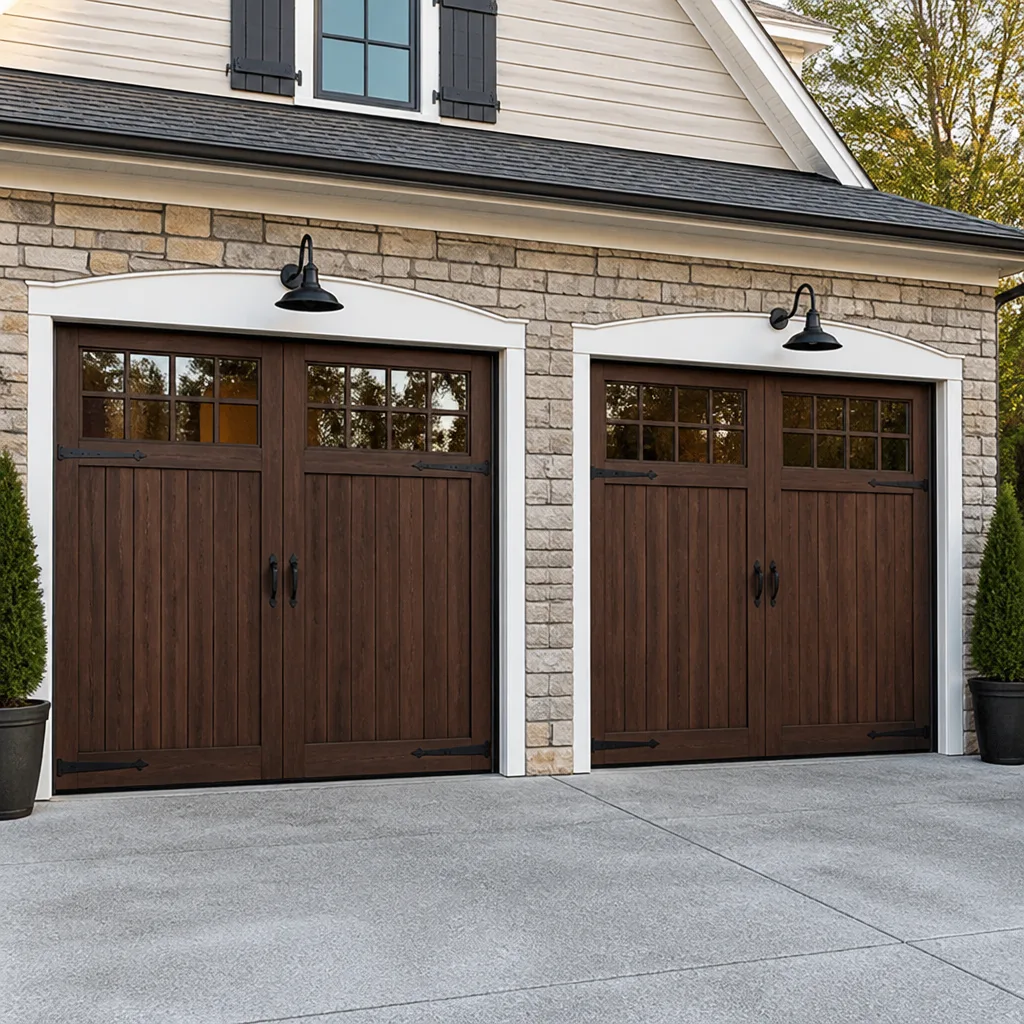 Carriage house
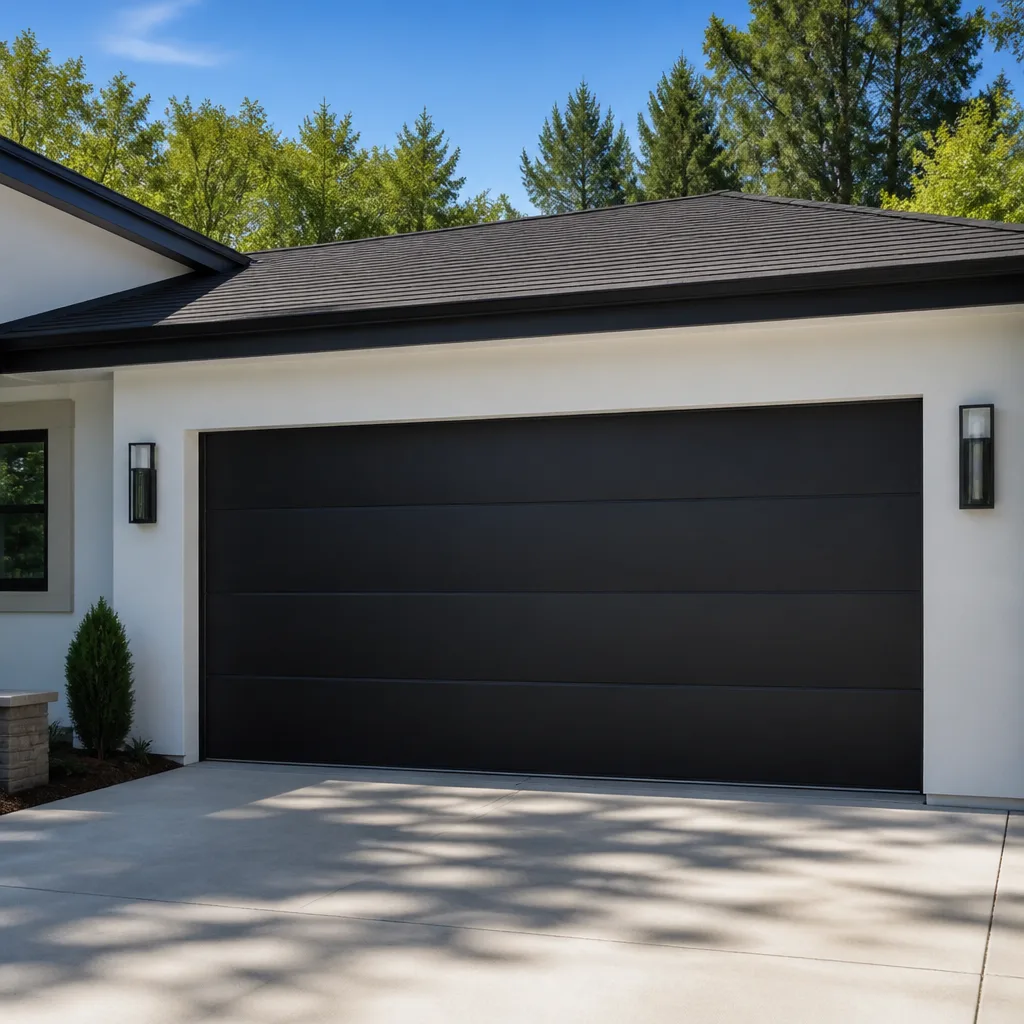 Modern flush
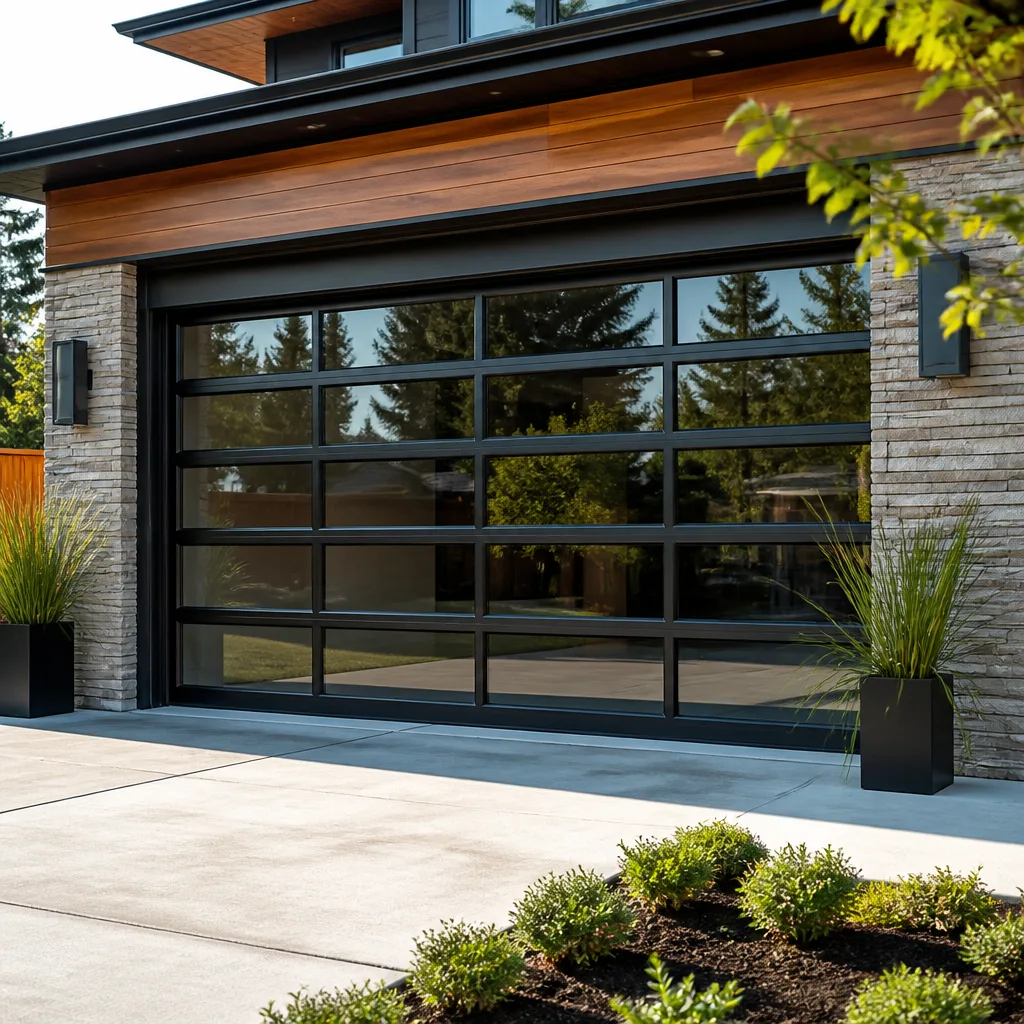 Full-view glass
 LiftMaster openers
 Chamberlain openers
Full 25-point door and opener safety check with every visit - springs, cables, rollers, tracks, and your LiftMaster or Chamberlain opener included
You get a price before we start. It does not change when the truck arrives.
Get your free estimateSeasonal Garage Door Care for Alpharetta: Year-Round Homeowner’s Guide
February in Alpharetta, not January, is when garage door springs are most likely to break. Repeated mild-freeze cycles stress torsion springs more unpredictably than a sustained hard freeze ever does, because the metal contracts and expands without ever settling into a stable cold pattern. Our Complete Guide to Garage Door in Alpharetta explains how the city’s actual weather, from pollen season to 95-degree July afternoons, wears on each part of your door and what to do before a small issue becomes a Saturday morning breakdown. You’ll learn the specific cleaning order that protects sensors and tracks, why summer heat shortens opener circuit board life, and how to handle a door frozen to the slab without ripping the bottom seal.
Quick Answer
Seasonal garage door care in Alpharetta means cleaning pollen off sensors and tracks in spring, lubricating moving parts before summer heat peaks, inspecting bottom seals and cables in fall, and handling winter freezes carefully to avoid stripping the opener gear. A simple quarterly routine, about 20 minutes per season, prevents most repairs homeowners in Alpharetta call us for, and the supplies cost under $30 total.
Styles & brands we work with
Table of Contents
- Spring: What Georgia Pollen Does to Your Garage Door
- Summer: Above 90°F and Your Torsion Springs
- Fall: The Pre-Winter Bottom Seal and Cable Check
- Winter: When the Door Freezes to the Ground
- Year-Round: Living With an Attached Garage in Alpharetta
- Common Mistakes to Avoid
- When to Call a Professional
- Frequently Asked Questions
Spring: What Georgia Pollen Does to Your Garage Door
From late March through early May, Alpharetta gets coated in a fine yellow-green dust that settles on every horizontal surface, including the photo-eye sensors at the bottom of your garage door tracks. Pollen buildup on those sensors is the number one cause of doors that reverse for no apparent reason in spring. The sensors need a clear line of sight to each other, and a thin film of pollen is enough to break that beam on humid mornings when moisture makes the pollen sticky.
The Spring Cleaning Order That Protects Components
Most people reach for a hose or a pressure washer. Don’t. Water forces pollen deeper into the track channels and sensor housings, and pressure washing can dent thin track metal or knock a sensor out of alignment. Here is the sequence we use on every Garage Door Repair in Alpharetta visit, and it works just as well for a homeowner:
- Wipe the photo-eye sensor lenses with a dry microfiber cloth first. One pass is usually enough. If there’s residue, a barely damp cloth works, then dry immediately.
- Dust the track channels with a dry cloth or a soft brush. Work top to bottom so gravity helps, not fights, you.
- Check the weatherstripping along the bottom of the door and the side jambs. Pollen mixed with rain creates a paste that dries into the rubber and makes seals brittle. Wipe with a mild soap solution.
- Vacuum the opener rail if it’s a chain or belt drive. Pollen works into chain links and makes operation rougher than it should be by June.
- Lubricate after cleaning, never before. Lubricant over pollen just creates a gummy mess that attracts more debris.
If your door starts and stops mid-cycle in April, check the sensors before you call anyone. In most Alpharetta neighborhoods, from Windward to Crabapple, it’s pollen on the lens, and the fix takes less than a minute. If cleaning doesn’t solve it, then it’s time to look deeper, and a Fernbrook Garage Doors Alpharetta home diagnostic visit is a flat, written quote before any wrench turns.
Summer: Above 90°F and Your Torsion Springs
Alpharetta averaged 48 days above 90°F last year, and those days do two things to a garage door: they expand the metal in torsion springs very slightly, and they cook the circuit boards in openers mounted to ceilings that can hit 120°F by mid-afternoon. Neither failure sends a warning. A spring that was marginal in April can snap in July, and a circuit board that’s been slowly degrading will die during an afternoon heat soak.
What Actually Happens to Springs in High Heat
Torsion springs are rated for a cycle life, usually 10,000 cycles for standard springs, and each open-close sequence consumes one cycle. But temperature is a secondary stressor. Metal expands when hot, and a spring under tension that expands and contracts daily develops micro-fractures faster than one in a stable climate. It’s not dramatic, and it’s not the primary reason springs fail, but it shortens the last 10 to 15 percent of a spring’s rated life. That’s why Garage Door Spring Repair in Alpharetta calls tend to spike in July and August.
Opener Circuit Boards and the Summer Heat Soak
Most opener manufacturers, including LiftMaster, Chamberlain, and Genie, rate their circuit boards to operate safely up to about 115°F ambient. An attached garage in Alpharetta with no insulation and a west-facing door can exceed that on a July afternoon. The failure looks like this: the opener works in the morning, stops working at 3 p.m., and works again at 9 p.m. That pattern, time-of-day-specific failure, points to heat saturation, not a dead motor.
What helps, short of insulating the garage:
- Leave the garage door cracked open two inches on the hottest afternoons, if security allows.
- Confirm the opener’s ventilation holes are not covered by shelving or stored boxes.
- Unplug the opener during electrical storms. Alpharetta gets its share of summer lightning, and surges through the power line are a faster circuit board killer than heat.
The July Lubrication Refresh
Lubricant evaporates faster in sustained heat, and by mid-summer the hinges and rollers that were quiet in May often start squealing. Use a lithium-based grease on hinges and a silicone-based spray on rollers and the torsion spring. Avoid WD-40. It’s a solvent, not a lubricant, and it strips the protective film that keeps garage door parts quiet. Raynor and Amarr doors respond slightly differently to lubricants, so check your owner’s manual if you have one of those brands, but a light silicone spray is safe for almost any residential door made in the last 20 years.
Fall: The Pre-Winter Bottom Seal and Cable Check
October and November in Alpharetta are the right time for a 15-minute inspection, before temperature cycling starts in December and February. The two components that need attention: the bottom seal, and the lift cables. Both are cheap to fix now and expensive to ignore later.
The Bottom Seal: Where Cold Air and Mice Get In
The rubber strip along the bottom of the door, called the astragal or U-shaped bottom seal, hardens with age and cracks where it flexes at the corners. Once cracked, it lets cold air in during the winter, which matters because many Alpharetta garages hold furnaces, water heaters, or home gyms. It’s also the entry point for rodents in late fall. Mice can compress their bodies through a gap the size of a dime, and a cracked bottom seal is a welcome mat.
How to check it in 60 seconds: close the door, then shine a flashlight along the bottom edge from inside. Any spot where light passes through is an air and pest leak. The bottom seal is a $30 part and takes about 20 minutes to replace with a rubber mallet and a flathead screwdriver. If the aluminum retainer channel is bent or corroded, the whole seal assembly needs to be swapped, and that’s a job better left to someone with the right track stock in the truck.
Cables: The Component That Gives No Warning
Lift cables are under constant tension, even when the door is closed. Fraying near the bottom bracket is the earliest visible sign of wear. Run your finger, carefully, along the cable’s outer wire strands. If they feel like a rope that’s starting to separate, rather than smooth metal, the cable is close to failure. Cables don’t recover, and they’re one of the few parts where continued use after visible damage is genuinely unsafe. A cable that snaps while the door is moving can send the door into a free-fall. If you see fraying, stop using the door and call for a repair quote. The parts are inexpensive; the installation is not a do-it-yourself job because the tension must be managed correctly.
Fall is also the right time for a Garage Door Installation in Alpharetta consultation if your current door is more than 15 years old and you’ve been nursing it along. Newer doors are better insulated and sealed, and the difference in February is measurable on your utility bill.
Winter: When the Door Freezes to the Ground
Alpharetta’s winter freezes are rarely deep, but they’re frequent enough to cause one specific problem: the bottom seal freezes to the concrete slab, and the opener strains against ice adhesion. This is a common January and February call across the city, and the damage is almost always self-inflicted.
What Not to Do
Do not hit the opener button repeatedly. Every attempt tells the motor to pull harder, and repeated strain strips the plastic gear inside the opener head in a matter of seconds. That gear is engineered to fail as a sacrificial part, which protects the motor, but it means a service call and a repair bill for a problem that was originally just ice.
Do not pour hot water on the seal. The thermal shock can crack rubber that’s already stiff from cold, and the water refreezes into a thicker ice bond within minutes.
Do not yank the release cord and muscle the door up by hand. If the seal is frozen solid, lifting by force tears chunks out of the rubber and can bend the bottom panel.
The Right Approach
- Check the freeze point. Run a plastic spatula or a thin piece of wood along the gap between the seal and the slab. Ice that breaks cleanly means the bond is light.
- Use lukewarm water, not hot. Pour it slowly along the seal, then wait two minutes. The goal is to weaken the bond gradually, not to shock the rubber.
- Rock the door gently. Once the seal is soft, a light push near the bottom corners usually breaks the bond without tearing anything.
- Dry the seal and the slab edge. Moisture left behind refreezes. A dry towel pass takes 10 seconds and prevents a repeat tomorrow morning.
If the opener already made a grinding sound before you noticed the freeze, the plastic gear may already be chewed up. That’s a job for a diagnostic visit, and a written quote comes before any repair work begins.
Year-Round: Living With an Attached Garage in Alpharetta
Humidity is Alpharetta’s constant background condition, and it changes how you should think about garage door maintenance year-round. A detached garage can be ignored in ways an attached garage cannot, because the door is part of your home’s thermal envelope. The average Alpharetta attached garage holds either a HVAC air handler, a water heater, or both, and many homeowners in neighborhoods like Halcyon and Downtown Alpharetta have converted part of the garage into a gym, workshop, or play space.
What Humidity Does to Door Hardware
Rollers with steel ball bearings rust in environments that stay above 60 percent humidity for months. Rust on the bearings creates friction, and friction shortens roller life from 10-15 years down to 5-7 years. Nylon rollers with sealed bearings resist this much better, which is why we recommend them for every replacement on attached garages in the area. The door panel itself, if it’s steel, is protected by the factory paint, but deep scratches that expose bare metal will bloom with surface rust within one humid summer. Touch-up paint on scratches is one of the highest-return 10-minute maintenance tasks an Alpharetta homeowner can do.
Temperature Management for Home Gyms and Workshops
If you use your garage as a workout or work space, door insulation matters twice as much as it does for a storage-only garage. An uninsulated door on an attached garage acts as a heat exchanger, pulling cold air in during winter and radiating heat inward during summer. The fix is an insulated door, typically polyurethane-filled with an R-value between R-9 and R-18 depending on thickness, or retrofit insulation panels if the door is newer and in good condition. The difference in a home gym on a July afternoon is the difference between usable and unbearable.
Humidity also affects the spring’s surface. Surface rust on a torsion spring is cosmetic and won’t shorten its life, but it’s worth a light silicone wipe once a quarter to keep the finish intact. The spring’s cycle life is determined by metal fatigue, and cleanup doesn’t change that rating, but a clean spring is easier to inspect for the small gaps that precede a snap.
Common Mistakes to Avoid
- Lubricating a dirty door. Spraying lubricant over pollen and dust creates a grinding paste inside hinges and tracks. Clean first, then lubricate. Always.
- Pressure washing the door and tracks. High-pressure water forces debris into components it was never meant to reach and can bend track metal. A dry cloth and a soft brush handle almost everything a garage door needs.
- Ignoring a squeak. The squeak is friction, and friction is wear happening in real time. A 10-minute lubrication that costs pennies prevents a $150 roller replacement later.
- Wiring the opener into the only outlet. Alpharetta storm season runs March through September, and a lightning surge through that one outlet kills opener circuit boards. A surge protector designed for appliances, not a cheap power strip, is a $20 insurance policy.
- Replacing the bottom seal after the first hard freeze. By the time you notice cold air coming through in January, the seal has been cracked since September. Fall is the time to check, and the material is easier to work with when it’s warm.
- Watching a spring slowly separate. Torsion springs don’t heal, and a visible gap in the coil means failure is close. Using the door after that point risks a sudden snap, which is loud, violent, and dangerous to anyone nearby. If you see a gap, stop using the door and call for a professional repair.
- Assuming any repair is a same-day job. In Alpharetta, spring and cable repairs are usually same-day. Door replacements and opener installations are measured, ordered, and scheduled. Know which category your issue falls into before you expect a technician that afternoon.
When to Call a Professional
Torsion springs and lift cables are where DIY vs professional garage door repair stops being a reasonable choice for homeowners. Both are under hundreds of pounds of tension, and a mistake while working on them can cause serious injury. A professional repair includes the correct spring size for your door’s weight and cycle rating, a balance test, and a safety reversal check, in one visit, for one written price. You won’t need to buy specialty winding bars you’ll use once and then store for years.
If the door is off balance, if a cable shows fraying, or if the opener made a grinding sound and stopped working, call rather than continue investigating. Fernbrook Garage Doors Alpharetta offers free estimates in Alpharetta and the surrounding area, including Milton, Roswell, and Johns Creek. The number is (229) 471-5755, and a live person answers, day or night.
Frequently Asked Questions
During pollen season, from late March through May, clean the sensor lenses every two weeks with a dry microfiber cloth. The rest of the year, once a month is plenty. Call (229) 471-5755 if the door still reverses after cleaning; there may be an alignment issue that takes a professional a few minutes to correct.
Fall, from October through early December, is the best window in Alpharetta because temperatures are mild enough for seal adhesive to cure properly, and the work is done before winter freeze cycles stress the old door. Fernbrook provides a written quote before any installation work is scheduled, so you’ll know the full cost going in.
Heat causes metal to expand slightly, which changes the tension distribution across hinges and rollers, and the lubricant on those parts evaporates faster above 90°F. A mid-summer lithium grease refresh on the hinges and a silicone pass on the rollers usually quiets it. If the groan is coming from the torsion spring and persists after lubrication, have it inspected before fall.
Yes, if the freeze is light. Use lukewarm water, not hot, to break the ice bond between the bottom seal and the slab, then dry the edge so it doesn’t refreeze. If the opener already made a grinding sound, the gear may be damaged, and that needs a technician. Fernbrook’s number is (229) 471-5755, answered 24/7.
Standard 10,000-cycle torsion springs last 7 to 10 years in Alpharetta for most households, depending on how often the door cycles. Humidity and summer heat cycles shorten that slightly compared to a dry climate. When you replace springs, check our Garage Door Cost Breakdown for Alpharetta homeowners to compare standard and high-cycle options, which last about twice as long for a modest upcharge.
Yes, especially on attached garages. An insulated door keeps the garage 10 to 15 degrees closer to the house’s temperature in summer and winter, which matters if the garage holds a furnace, water heater, gym, or play area. The R-value you need depends on how you use the space; a basic polyurethane-filled door starts around R-9.
The Bottom Line
Seasonal garage door care in Alpharetta comes down to four moments per year: clean pollen off sensors in spring, lubricate before summer heat, inspect seals and cables in fall, and handle winter freezes gently. The pattern is specific to this climate, where humidity, pollen, and mild-freeze cycles work together in ways a northern or coastal maintenance guide won’t address. Twenty minutes each season, about thirty dollars in supplies, and a habit of looking at your door once a month prevents most breakdowns; see our more guides & resources for year-round maintenance help. When a component fails that you can’t safely repair yourself, call (229) 471-5755 for a free estimate and a written price before any work begins.
Written by Jesse Calder, Owner at Fernbrook Garage Doors Alpharetta, serving Alpharetta since 2002.
See the difference
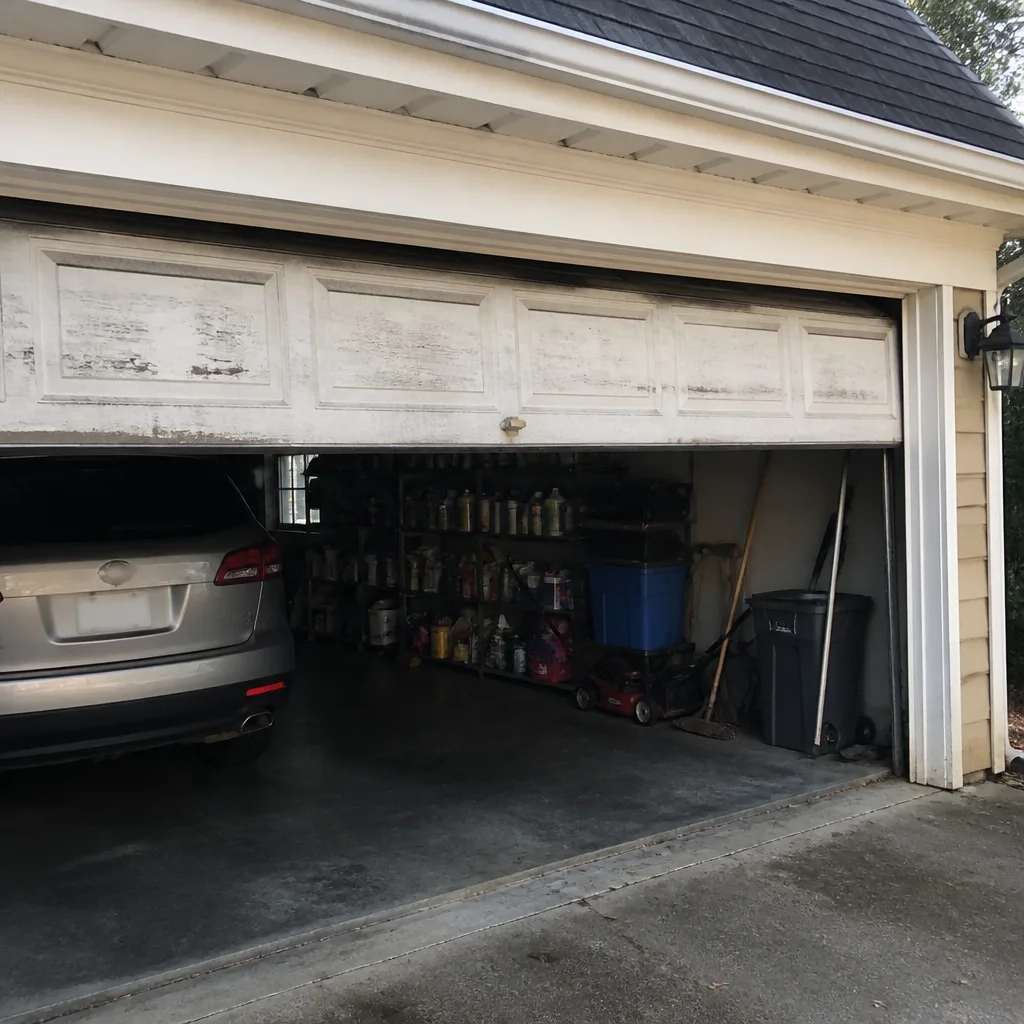 Before
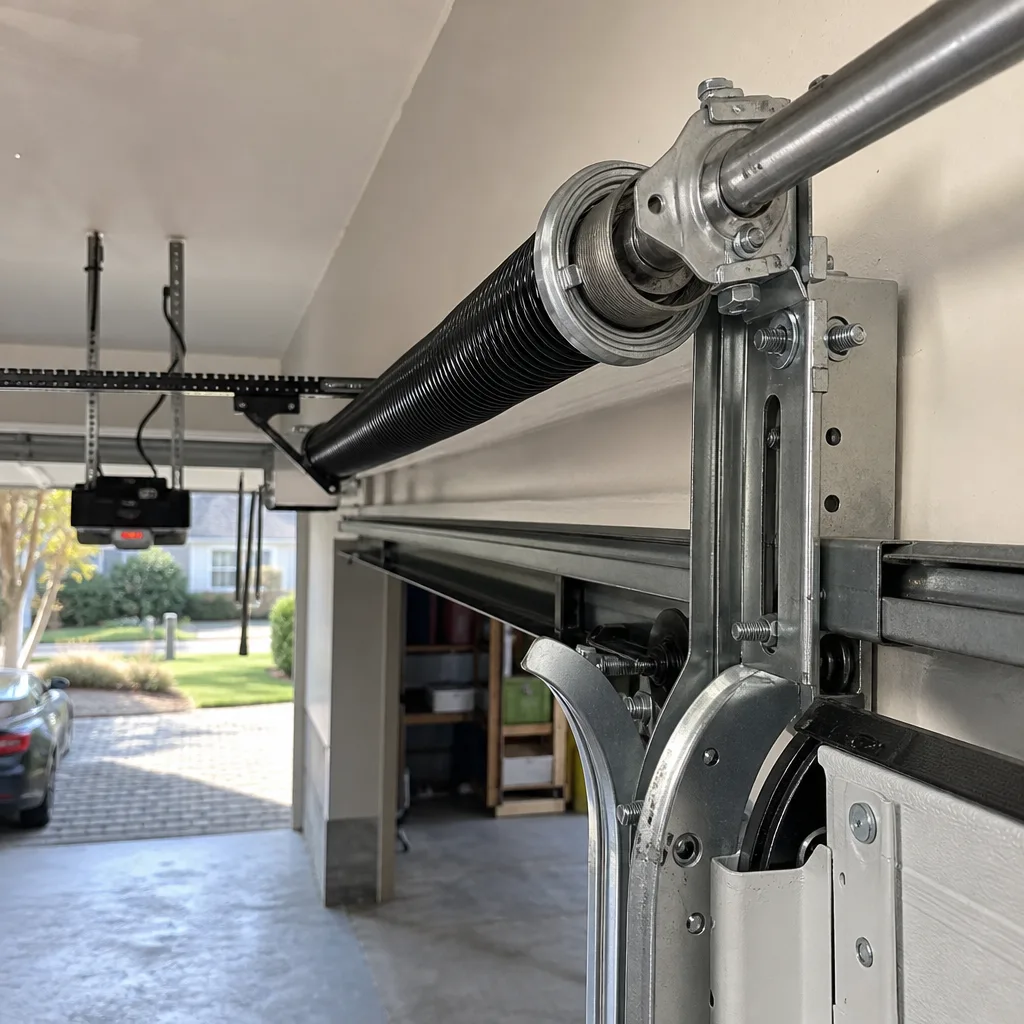 After
After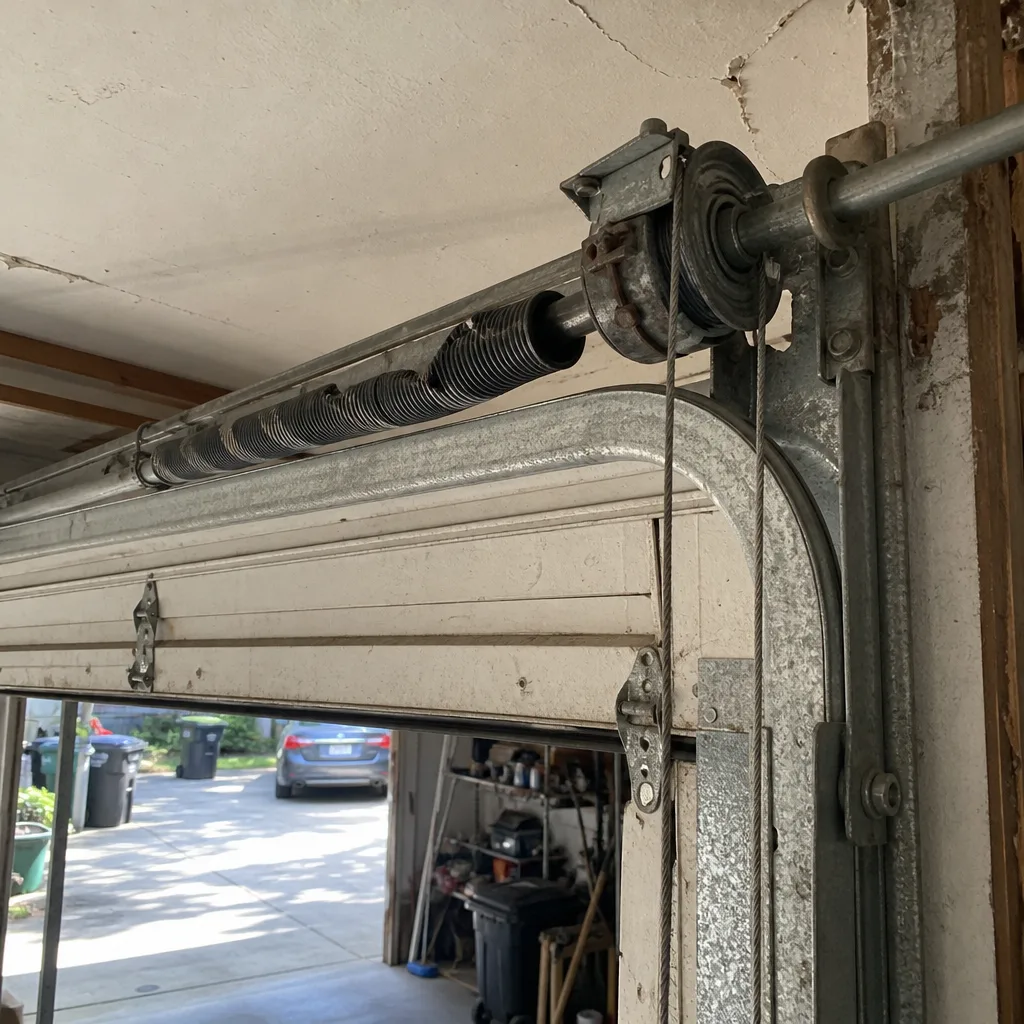 Before
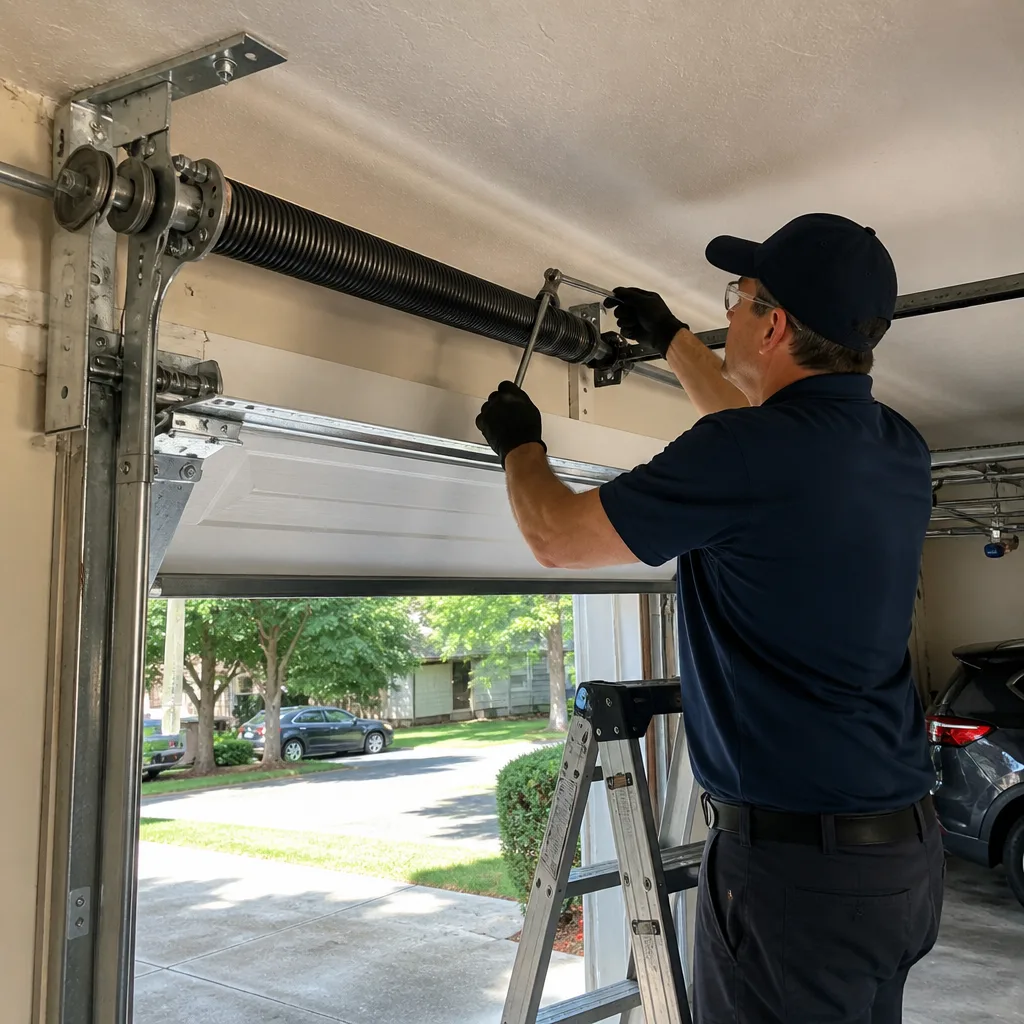 After
After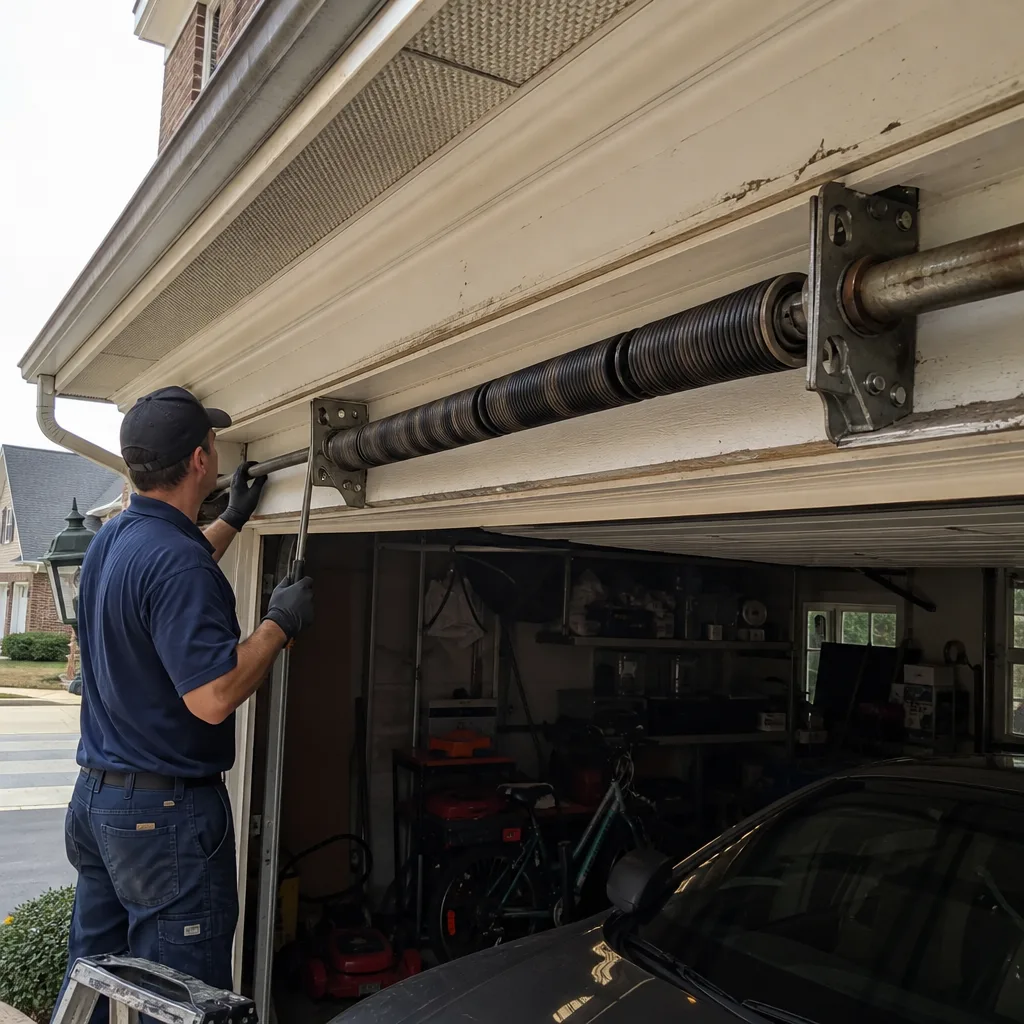 Before
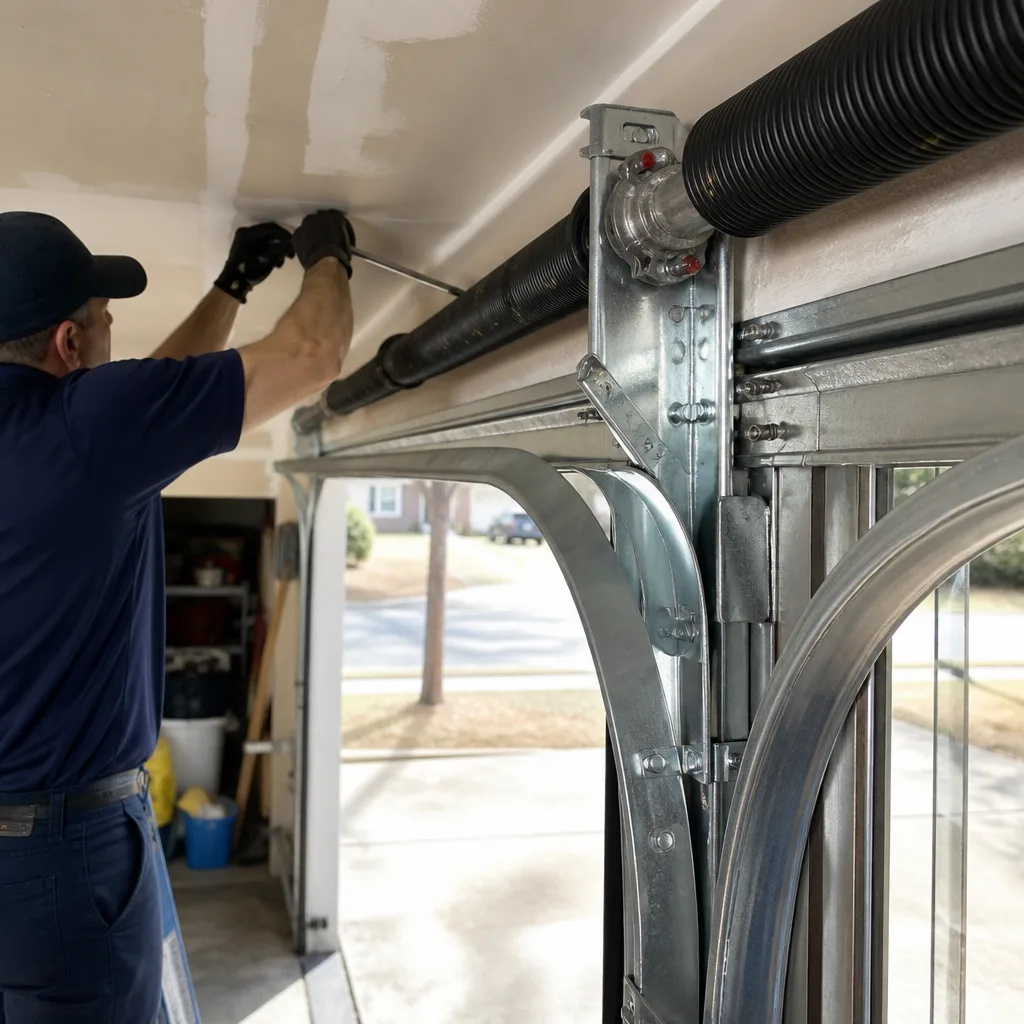 After
After